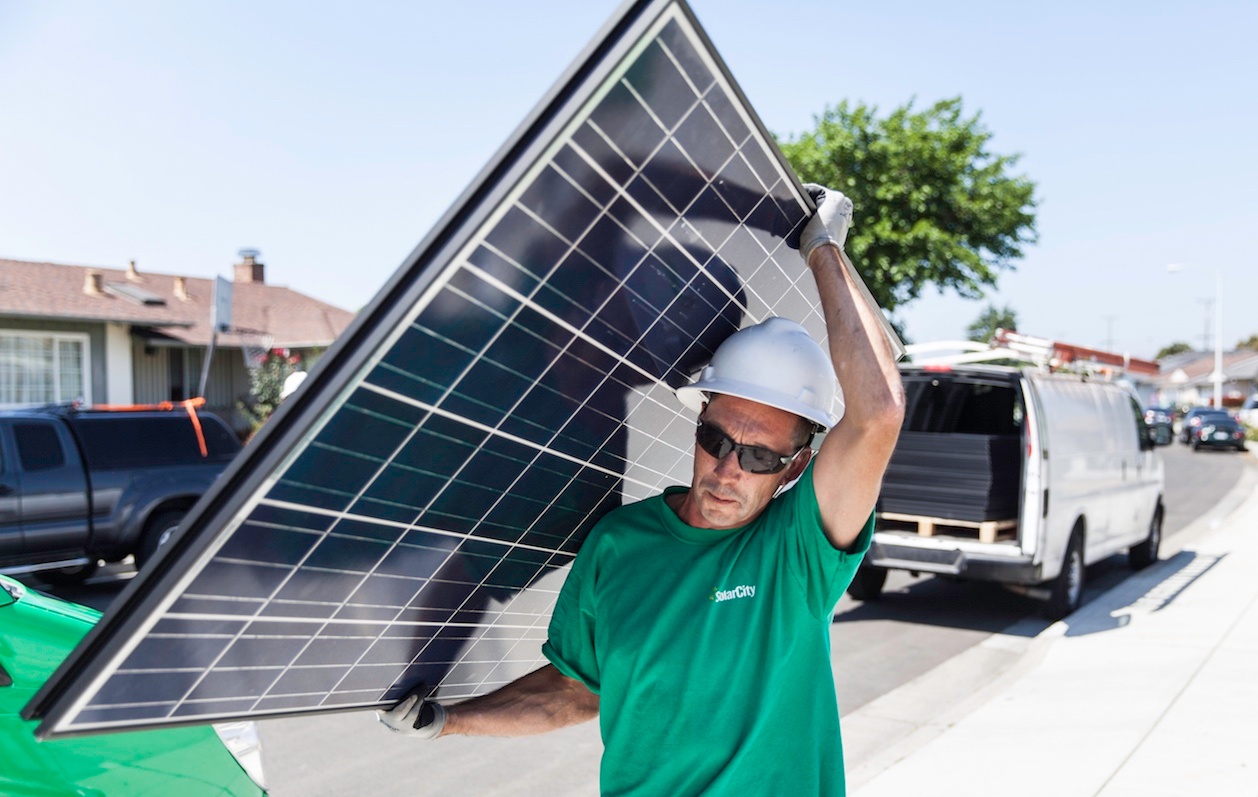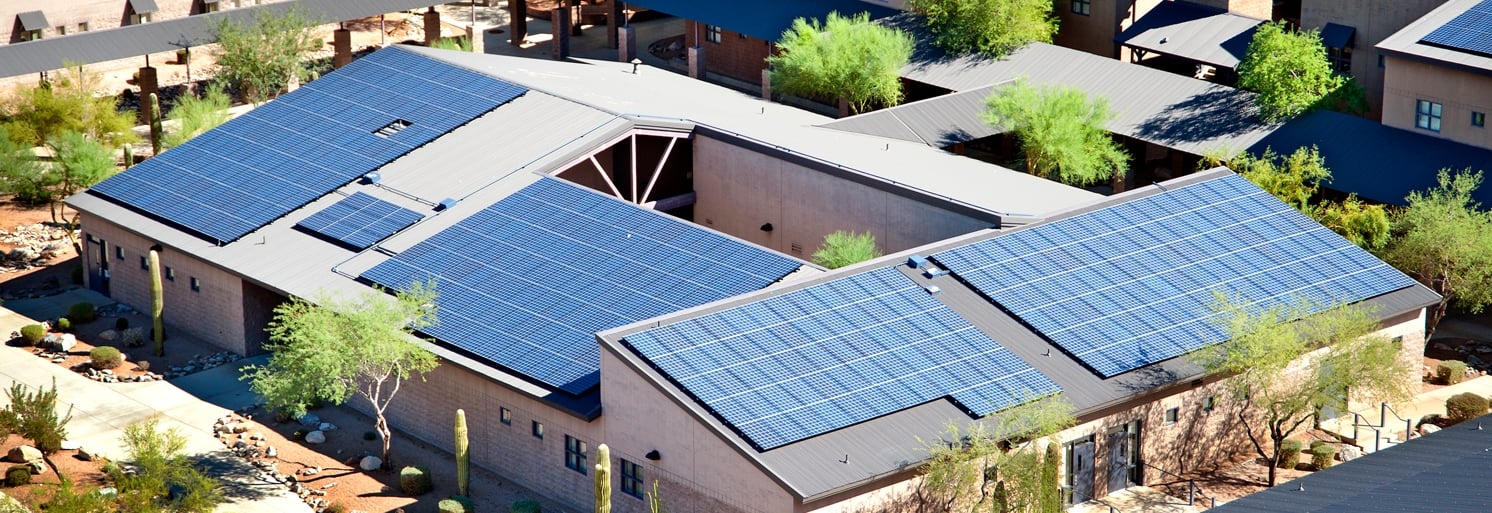
There are lot of hot topics in energy these days, but perhaps none more so than net energy metering (NEM). This simple rate design allows customers with onsite generation (usually rooftop solar, but also other technologies, like fuel cells and small wind systems) to send excess electricity onto the grid and spin their meters backwards. At the end of the month, the customer receives either a bill or a credit, depending on whether there was net excess generation in that month. This makes owners of distributed generation happy - and makes utilities nervous.
Although NEM clearly sets out what distributed generation (DG) customers get paid for their electricity, it does not fully answer the question of what that DG is worth, not only to that customer but to all the other customers who depend on the grid. That’s exactly what New York’s Public Service Commission asked for comment on in the latest round of filings under its “Reforming the Energy Vision” proceeding. In response, AEE Institute, and its state and regional partners engaged in that proceeding, submitted a proposal for setting the balance between deploying distributed energy resources (DER) and maintaining the grid for all. What’s the not-so-secret formula? LMP+D. For what that means, read on.