THIS IS ADVANCED ENERGY: Offshore Wind Power

Posted by Caitlin Marquis on May 24, 2016 6:39:42 PM

This post is one in a series featuring the complete slate of advanced energy technologies outlined in the report This Is Advanced Energy.
sheringham-shoal-flickr-starkraft-offshore-wind-edit.jpg

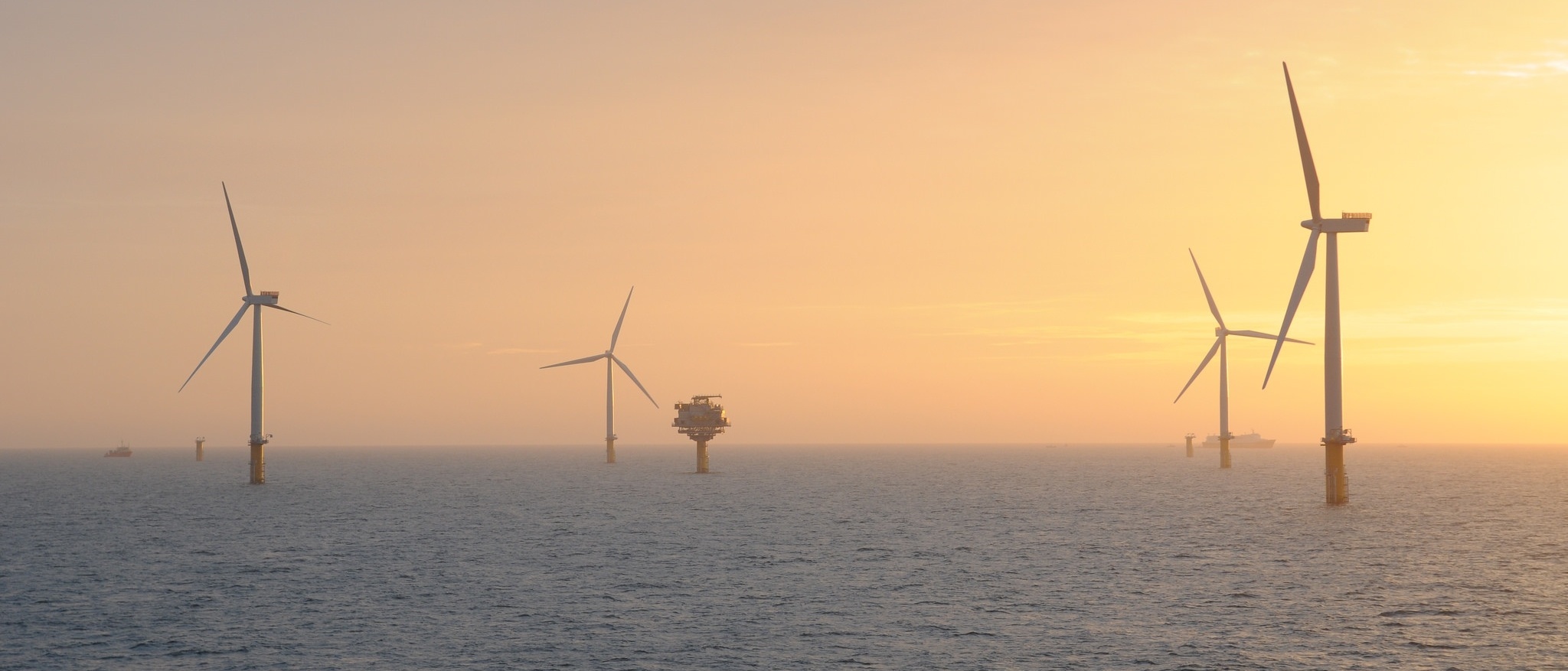
Offshore wind off the coast of England. Via.

Offshore wind turbines are very similar in design to land-based large-scale turbines. They are located in bodies of water where there is access to stronger, steadier wind resources than are typically available on land. Generally, the turbines are fixed directly to the bottom of a lake or ocean, although technologies are being developed to mount turbines on floating platforms, which will enable deployment in deeper water or farther offshore. Because of the higher expense of foundations and installation compared to land-based wind turbines, offshore wind farms generally feature larger turbines to minimize infra- structure requirements. Offshore wind turbines are typically 3-5 MW in size, but Vestas has installed 8 MW turbines, and even bigger turbines (10-15 MW) are under development.

Read More

NEWS: I, Driverless Vehicle! Plus: YieldCos Go Bump

Posted by Lexie Briggs on May 20, 2016 11:11:53 AM

rosie-the-robot-space-bus-658723-edited.png

We were promised flying cars. Those Jetsons-mobiles careening through the air sure seemed like the way of the future… until we actually considered traffic logistics in a three-dimensional airspace. The future of transportation is closer at hand than ever before, though, and it just might be Rosie the Robot at the wheel rather than George Jetson. Driverless vehicles are fast becoming a reality, and companies are preparing for a new automotive frontier – and potential blowback.

Read More

Topics: News Update

Full D.C. Circuit Hearing of Oral Arguments on Clean Power Plan Will Speed Final Ruling

Posted by Caitlin Marquis on May 19, 2016 4:28:57 PM

epa-cpp-update.jpg

After the Supreme Court’s decision to stay the Clean Power Plan (CPP), all eyes have been on June 2, the date the D.C. Circuit Court was scheduled to hear oral arguments on the merits of the rule. That goal post just got pushed back—but the delay is likely to speed up the final Supreme Court decision.

Read More

THIS IS ADVANCED ENERGY: Modular Nuclear Power

Posted by Caitlin Marquis on May 17, 2016 12:35:47 PM

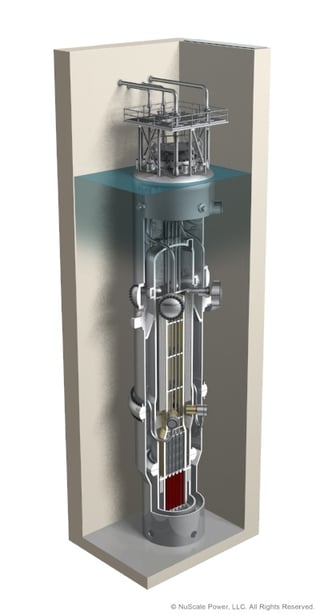
This post is one in a series featuring the complete slate of advanced energy technologies outlined in the report This Is Advanced Energy. Image courtesy of NuScale Power.   

1.11_Modular-Nuclear-Power-006869-edited.jpg

Small modular reactors (SMRs) are small-footprint nuclear power plants that can be sized between 10 MW and 300 MW. There are numerous SMR plant designs, although SMRs all rely on the same nuclear fission technology used by larger plants. Nuclear fission releases heat in the reactor core that is used to produce steam, which spins a steam turbine attached to an electric generator. Unlike utility-scale plants, which are difficult to site and can take years to construct, SMRs are designed to have many components fabricated and assembled offsite, thus reducing the time and complexity of plant construction and increasing potential plant locations. SMR designs generally have their reactors buried in the ground away from weather hazards, and are often designed to use passive cooling systems that are not vulnerable to power outages, further increasing the safety of the plant.

Read More

NEWS: An ISO for Hawaii? Utilities Double Down on Renewables; Oracle to Gobble Up Opower

Posted by Lexie Briggs on May 13, 2016 12:05:40 PM

hawaii.jpg

Sometimes, it’s not so bad to be proved wrong. Late last month, David Keith, a Harvard professor of applied physics and public policy, published a piece in Greentech Media, revisiting his 2008-2011 projections on the cost of solar modules, in which he was skeptical about predictions of falling prices. But solar has gotten much cheaper much faster than he thought. In 2008 he predicted only even odds of lowering the price of a solar power system to $0.30 per watt in 2030. In reality, the prices have already lowered to $0.50 per watt, and for large installations in the best locations, the cost of electricity from solar PV, without subsidy, is now under $40 per MW-hour, and could be at $20 by 2020. “Compared to other new sources of supply, this would be the cheapest electricity on the planet,” wrote Keith. 

We here at Advanced Energy Perspectives are no strangers to being wrong, but we’ve also long known that the rapid innovation in technologies and business models is driving down the cost of advanced energy, and renewables in particular, making it more desirable for customers of all kinds. This week we saw several examples of this trend.

Read More

Topics: News Update

Search

About

Advanced Energy Perspectives is Advanced Energy United's blog presenting news, analysis, and commentary on creating an advanced energy economy. Join the conversation!

Subscribe Here!

Recent Posts

Posts by Topic

See all