The U.S. Environmental Protection Agency’s (EPA’s) plan to regulate carbon emissions is just the latest challenge facing the U.S. electric power system. Technological innovation is disrupting old ways of doing business and accelerating grid modernization. Earlier this year, AEE released Advanced Energy Technologies for Greenhouse Gas Reduction, a report detailing the use, application, and benefits of 40 specific advanced energy technologies and services. This post is one in a series drawn from the technology profiles within that report.
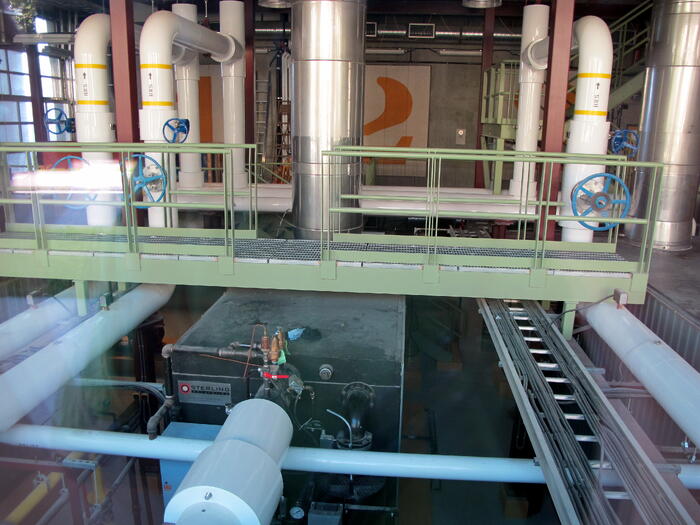
Waste Energy Recovery (WER) describes any process in which energy that would typically be “thrown away” is captured and put to use (for this reason, WER is sometimes also called recycled energy). In broad terms, there are three types of waste energy sources suitable for recovery and conversion to electricity: waste heat, excess pressure in steam and other industrial process streams that is normally dissipated, and residual fuel value in industrial process streams (purge gases, off-gases, etc.). WER can be used to generate electricity or to produce useful thermal energy for industrial processes. The amount and type of useful energy produced depends on the nature of the process.
 Energy storage was in the news this week, with new market entrants reported and storage’s value touted – but also questioned. AEE Member company Enphase announced this week that it had not only created a solar microinverter that is so technologically advanced that it “was not even possible to do when we started the company,” according to Paul Nahi, Enphase’s CEO, but is also
  Last month, EPA announced it would
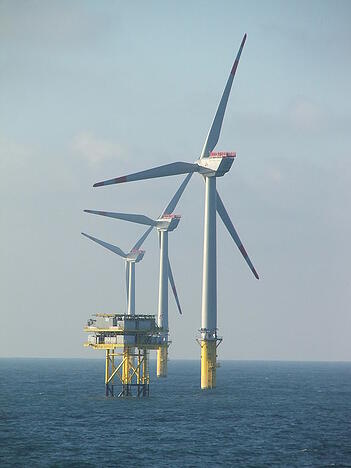 Everybody, hold onto your hats. The moment we have been waiting for may have finally arrived – or, well, it’s not very far off. American offshore wind is on the horizon, figuratively and literally, and approaching fast.