NEWS: Electricity Superhighway in KS, Storage Bumper Crop in CA, and – oh, yes – the Election

Posted by Lexie Briggs on Nov 7, 2014 10:45:00 AM

electric-superhighway-public-domain

This week we saw news of a new “electric power superhighway” in Kansas, a bumper crop of energy storage in California, and the small matter of the 2014 Midterm Elections. Kansas cut the ribbon on a 100-mile-long transmission line, SoCal Edison procured more storage than expected, and Republicans took control of the U.S. Senate. Think of it this way: Power Lines, Power Storage, and Power Shift.

Read More

Topics: News Update

STATE: New York Green Bank Begins Lending, Quietly Changing the Finance Game

Posted by Dan Scripps on Nov 6, 2014 3:58:30 PM

nygreenbank

On October 22, the New York Green Bank announced its first round of transactions. When Governor Andrew Cuomo announced the $1 billion bank last year, it was touted as an innovative way to combine the goals and resources of the state’s public and private sectors.


“We will leverage public dollars to attract private sector investment into building a new clean energy economy that will help make our state greener and create jobs,” Cuomo said in a statement. The bank will use “limited state resources to drive investment into critical areas of the economy.”

Read More

Topics: State Policy

Advanced Energy Technology of the Week: Efficient Water Heaters

Posted by Maria Robinson on Nov 4, 2014 3:13:54 PM

The U.S. Environmental Protection Agency’s (EPA’s) plan to regulate carbon emissions is just the latest challenge facing the U.S. electric power system. Technological innovation is disrupting old ways of doing business and accelerating grid modernization. Earlier this year, AEE released Advanced Energy Technologies for Greenhouse Gas Reduction, a report detailing the use, application, and benefits of 40 specific advanced energy technologies and services. This post is one in a series drawn from the technology profiles within that report.
Efficient_Water_Heaters

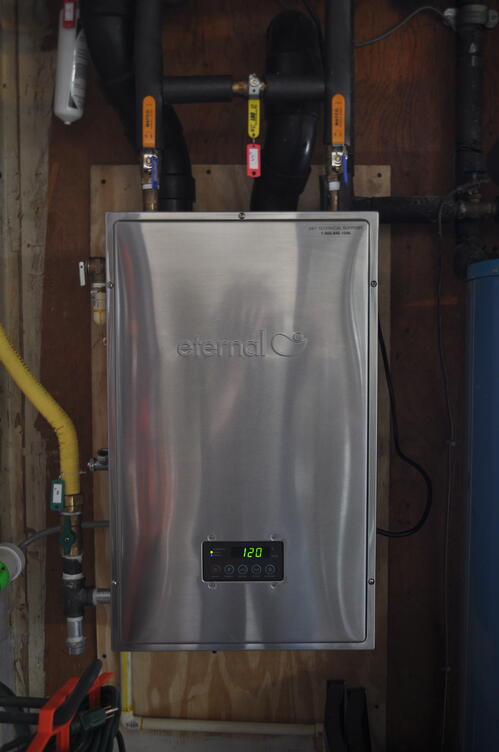
Water heating technology spans a range of options, from conventional technologies to renewable systems. Conventional storage water heaters typically run on natural gas or electricity and keep water hot in an insulated tank and ready for use at all times. They have a simple design and are relatively low cost, but they also have standby losses associated with storing hot water for long periods of time. High-efficiency models are available that increase the heat transfer efficiency and reduce the standby losses with more insulation. Tankless (instantaneous) water heaters eliminate standby losses by heating water on demand, creating a continuous supply, though there may be a limit on simultaneous use of hot water devices. Heat pump water heaters are electric water heaters that use heat pump technology to increase efficiency over conventional electric resistance units. Solar hot water systems harness the sun’s energy using solar thermal collectors. They typically require a larger storage tank and a backup fuel (such as electricity or natural gas) for times when the sun cannot produce enough hot water.


Read More

NEWS: ‘Terrordome’ is Nothing to Fear; Keeping Up with the Joneses on Energy Use, Solar Panels

Posted by Lexie Briggs on Oct 31, 2014 11:02:59 AM

NASA-solar-halloween

This week, the falling price of oil (and consequently gasoline) took over energy news in many outlets. But there was also news of a certain other energy price coming down. “Solar electricity is on track to be as cheap or cheaper than average electricity-bill prices in 47 U.S. states” by 2016 and all 50 by 2020, wrote Tom Randall in Bloomberg. His article, “While You Were Getting Worked Up Over Oil Prices, This Just Happened to Solar,” cites an analyst report from Deutsche Bank. The report assumes that the U.S. maintains the current investment tax credit, which is set to expire in 2016. Even if the ITC drops from 30 percent to 10 percent, however, 36 states would reach parity. The report also points out that solar is already there in the nation’s top 10 states for solar generation.

Read More

Topics: News Update

FEDERAL: Post-Election Day, Tax Extenders Will Be a Bipartisan Opportunity

Posted by Tom Carlson and Mark Mugerwa on Oct 30, 2014 11:53:55 AM

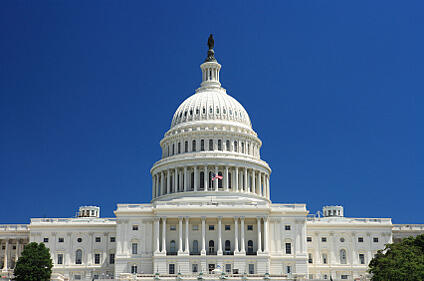
us-capitolAmericans head to the polls next Tuesday for a midterm election that will determine the makeup of the House and Senate. The Washington Post and others are forecasting that Republicans will strengthen their control of the House and gain a majority of seats in the Senate. The White House has already begun contemplating areas of agreement with a future GOP majority. Though Senate movement on passing tax extenders came to a standstill in May, both parties have since shown interest in pushing the issue forward during the lame duck session. There are different theories on how such a deal would come about, but there is no question that extending advanced energy tax credits is both vital to industry and supported by members on each side of the aisle.
Read More

Topics: Federal Priorities

Search

About

Advanced Energy Perspectives is Advanced Energy United's blog presenting news, analysis, and commentary on creating an advanced energy economy. Join the conversation!

Subscribe Here!

Recent Posts

Posts by Topic

See all