EPA GHG REGS: We Read the Comments, So You Don't Have To, Part 2: States

Posted by Frank Swigonski and Caitlin Marquis on Jan 5, 2015 3:57:00 PM

After the comment period closed on December 1, the stats were in: EPA received more than 1.6 million comments on the Clean Power Plan from individuals, organizations, and state regulatory bodies. By one estimate it would take 71 people working eight hours a day from now until June to read them all. But don't worry—our Carbon Policy Analysts identified the top comments and plowed through them. This is the second of five blog posts presenting AEE’s summary of and take on comments from a few key stakeholders: federal and state regulatory organizations, states, ISO/RTOs, utilities, and industry and environmental groups. This post covers comments from state utility commissions (PUCs and PSCs), air regulators (DEQs and DEPs), and lawmakers.

epa-111d-clean-power-comments-states-212222-edited
While many states, including Washington, Minnesota, and New Hampshire, have praised the Clean Power Plan, others have raised technical and economic concerns with various aspects of the proposal, and 17 attorneys general submitted a joint comment letter outlining numerous legal objections to the Proposed Rule. AEE has not yet analyzed comments from every state. However, we have identified common themes submitted by state agencies in some key states which are watched closely by AEE. Below is a summary of comments from Arkansas, Arizona, Florida, Illinois, Michigan, Nevada, Pennsylvania, Texas and Virginia, focusing on themes found throughout comments from these and other states.
Read More

Advanced Energy Technology of the Week: Hydroelectric Power

Posted by Maria Robinson on Dec 23, 2014 12:51:54 PM

The U.S. Environmental Protection Agency’s (EPA’s) plan to regulate carbon emissions is just the latest challenge facing the U.S. electric power system. Technological innovation is disrupting old ways of doing business and accelerating grid modernization. Earlier this year, AEE released Advanced Energy Technologies for Greenhouse Gas Reduction, a report detailing the use, application, and benefits of 40 specific advanced energy technologies and services. This post is one in a series drawn from the technology profiles within that report.

Hydroelectric_Power_Plants

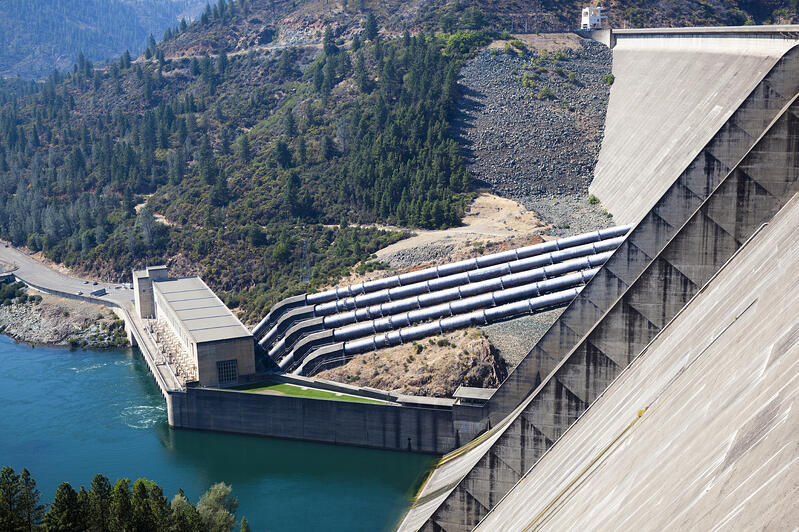
A hydroelectric power plant uses turbines and generators to convert the kinetic energy of moving water into electricity. There are three major types of hydroelectric power plants: impoundment, diversion (run-of-river), and pumped storage facilities. An impoundment facility uses a dam to store river water in a reservoir, which it then releases through a turbine to generate electricity. The height differential (“hydraulic head”) between the reservoir surface and the turbine outlet is what provides the energy for power generation. The Hoover Dam is a classic example. A diversion facility takes advantage of natural elevation changes along a river. Run-of-river plants tend to be smaller than impoundment plants, and low-impact, with diverted streams powering turbines before returning downstream. Niagara Falls is an exception, with the Moses Niagara Power Plant and the Lewiston Pump Generating Plant together supplying 2.4 GW of hydro capacity. A pumped storage facility pumps water from a lower to an upper reservoir when electricity demand is low and releases the water back into the lower reservoir to generate electricity when demand is high. It is a form of bulk energy storage. In addition to these three major hydro variants, there is a niche application called in-conduit hydropower. Conduit projects use water supply infrastructure such as tunnels, irrigation canals, and pipelines and outfit them with mini turbines and generating equipment.

Read More

EPA GHG REGS: We Read the Comments, So You Don't Have To, Part 1: State & Federal Regulator Associations

Posted by Frank Swigonski and Caitlin Marquis on Dec 22, 2014 2:46:00 PM

After the comment period closed on December 1, EPA received more than 1.6 million comments on the Clean Power Plan from individuals, organizations, and state regulatory bodies. By one estimate it would take 71 people working eight hours a day from now until June to read them all. But don't worry—our Carbon Policy Analysts identified the top comments and plowed through them. This is the first of five blog posts presenting AEE’s summary of and take on comments from a few key stakeholders: federal and state regulatory organizations, states, ISO/RTOs, utilities, and industry and environmental groups. First up, State and Federal Regulator associations.

epa-clean-power-plan-comments-1-489378-edited

The North American Electric Reliability Corp. (NERC) released a report in early November calling for an analysis by regulators and power companies to determine whether the Clean Power Plan’s initial 2020 deadline can be met without threatening reliability. NERC’s report questioned whether there would be enough time to build natural gas pipelines and high voltage transmission lines for gas and renewables to replace coal generation. While NERC did not submit its own comments, the NERC report was cited by many organizations in their comments on the Clean Power Plan. AEE’s supplemental comments address this issue by demonstrating the ways that advanced energy technologies can enhance grid reliability while states shift generation to comply with the Proposed Rule.

Read More

YEAR IN REVIEW: Top 10 Advanced Energy News Stories of 2014

Posted by Lexie Briggs on Dec 19, 2014 2:03:00 PM

To wrap up the year, we are taking a look back at 2014. Make sure you didn’t miss the other Year In Review pieces published this week: Top 10 Utility Commission Actions of 2014 and Top Trends in State Energy Legislation.

2014 was a big year for advanced energy. Prices for advanced energy generation technologies kept dropping, employment kept growing, and the industry opened new avenues of expansion. Plus, several key policy changes contributed to the rapid growth an already-expansive sector. Here we present the top 10 news developments of this past year, and Advanced Energy Perspectives’ coverage of them.

photo-src-flickr-epa-flag

1)    EPA Writes the Rules on Carbon Regulation

In January we reported that the Environmental Protection Agency was gearing up to release its first-ever greenhouse gas performance standards for existing power plants under the Clean Air Act. By May we had a clearer picture of what the standards would look like, and how they could increase opportunities for both supply- and demand-side advanced energy technologies, and AEE released a report detailing 40 technologies that have the capacity to reduce greenhouse gas while simultaneously growing the economy. When the standards were officially released in June, politicians and pundits scrambled to make their voices heard on what soon became known as the Clean Power Plan. By September, we were starting to see how states would respond to the proposed regulations. In November, AEE submitted its comments on the draft proposal, stating that advanced energy can contribute much more to emission reduction than the draft of the Clean Power Plan contemplates, and provide economic benefits at the same time. AEE filed additional comments just before the December 1 deadline. 

Read More

Topics: News Update, Year in Review

YEAR IN REVIEW: Top Trends in State Energy Legislation

Posted by Tom Plant on Dec 17, 2014 5:24:00 PM

This has been a bit of a roller-coaster year for advanced energy in state legislation, with high profile rollbacks in Ohio and Indiana, but big steps forward in Minnesota and Connecticut. South Carolina became the latest state to adopt a renewable energy goal, setting the stage for solar growth there. New financial incentives for advanced energy investments were passed in a host of states. And more states started to look at ways for electric and natural gas vehicles to contribute to road and highway maintenance, as they are not subject to gasoline taxes.

state-energy-legislation-2014-photo-by-bill-gracey

Note: some links in this post reference documents in BillBoard, an application in AEE's new energy policy software platform, PowerSuite. Click here and sign up for a free 14-day trial of PowerSuite.

Read More

Topics: State Policy, Year in Review

Search

About

Advanced Energy Perspectives is Advanced Energy United's blog presenting news, analysis, and commentary on creating an advanced energy economy. Join the conversation!

Subscribe Here!

Recent Posts

Posts by Topic

See all