AC/DC: In the New Current Wars, Will Edison Win Out After All?

Posted by Tom Plant on Jan 29, 2015 2:38:00 PM

thomas-edison-vs-nikola-tesla-war-of-currents-

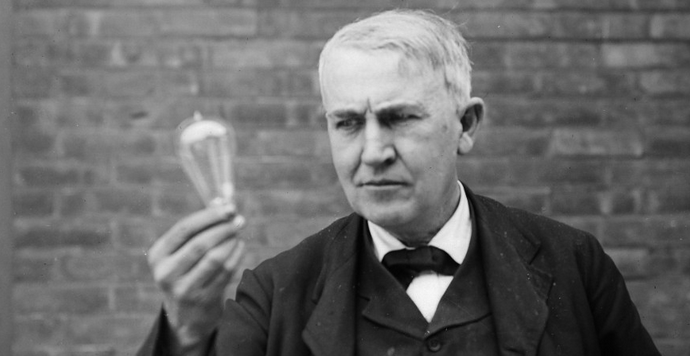
In the late 1800s, as the United States embarked on a public effort to electrify the country, the “War of Currents” pitted Alternating Current (AC) power against Direct Current (DC) power. On one side was Thomas Edison, an advocate of DC power.  On the other side was George Westinghouse, who had acquired the patents for AC power held by Nikola Tesla. In the end, the capability of AC power to run at high voltage from large central generating stations over long distances with relatively inexpensive transformers to “step down” and “step up” the voltage made AC the victor, setting the industry standard. As the electric power sector modernizes, however, two substantial changes could signal a return to the war of currents.

Read More

Advanced Energy Technology of the Week: Residential and Commercial Building Solar Power

Posted by Maria Robinson on Jan 27, 2015 12:01:08 PM

The U.S. Environmental Protection Agency’s (EPA’s) plan to regulate carbon emissions is just the latest challenge facing the U.S. electric power system. Technological innovation is disrupting old ways of doing business and accelerating grid modernization. Earlier this year, AEE released Advanced Energy Technologies for Greenhouse Gas Reduction, a report detailing the use, application, and benefits of 40 specific advanced energy technologies and services. This post is one in a series drawn from the technology profiles within that report.
Distributed_Solar_Power-781012-edited

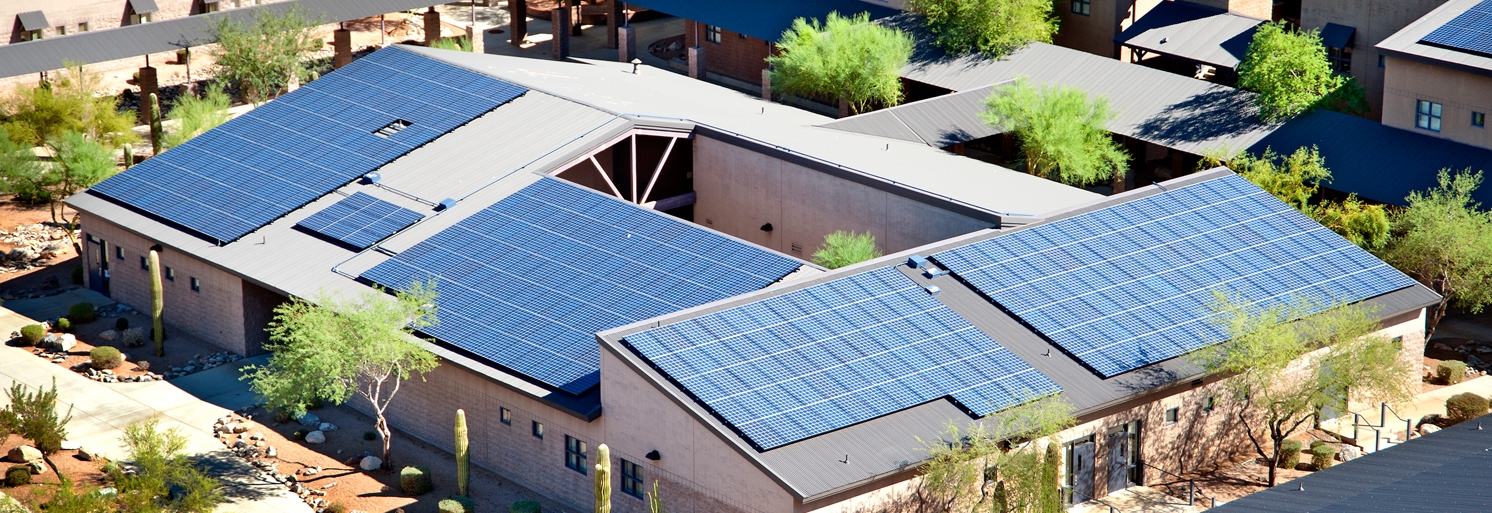
Solar photovoltaic (PV) power systems convert sunlight directly into electricity. PV modules (panels) produce direct current, which is converted to grid-compatible alternating current through an inverter. The flat-plate PV modules are commonly mounted on the roofs of residential and commercial buildings. The two main PV materials used in modules are crystalline silicon and thin-films such as cadmium telluride. The former is more commonly used for residential and commercial buildings due to its higher efficiency and associated smaller footprint, which is a desirable characteristic for rooftop applications.

Read More

EPA GHG REGS: We Read the Comments, So You Don't Have To, Part 5: Industry Groups and Environmental Groups

Posted by Frank Swigonski and Caitlin Marquis on Jan 26, 2015 5:41:00 PM

After the comment period closed on December 1, the stats were in: EPA received more than 4 million comments on the Clean Power Plan from individuals, organizations, and state regulatory bodies. It would take 71 people working eight hours a day from now until June to read them all. But don't worry—our Carbon Policy Analysts identified the top comments and plowed through them. This is the fifth of five blog posts presenting AEE’s summary of and take on comments from a few key stakeholders: federal and state regulatory organizations, states, ISO/RTOs, utilities, and industry and environmental groups. This final post covers comments from industry groups and environmental groups.

electric-power-273644_1280

In its comments, AEE emphasized the greater role advanced energy technologies could play in the Final Rule, making suggestions ranging from strengthening the renewable and energy efficiency targets to providing guidance on EM&V to clarifying that a variety of advanced energy technologies will be accepted in state compliance plans. Many industry associations, NGOs and private-sector companies submitted their own sets of comments, some of which took positions that aligned closely with AEE’s. While AEE presented a unique perspective in its comments, a very diverse group of organizations and companies share its positions on many key issues.

Read More

NEWS: Solar and Wind's Boom Year; FERC Demand Response Case; HECO vs. Net Metering

Posted by Lexie Briggs on Jan 23, 2015 11:19:00 AM

Can FERC determine compensation for demand response? Can a Hawaiian utility dump net metering? Those questions are in the news this week. Plus, numbers are in, enough to show a boom in solar and wind installations in the U.S. last year.

img-src-us-army-fort-dix-solar-panel-installation-222674-edited

The Department of Justice filed an appeal to the Supreme Court to uphold the Federal Energy Regulatory Commission’s Order 745, which directed grid operators to pay for demand response services on par with power generators in wholesale markets. The D.C. Circuit Court ruled in May that FERC did not have the ability to regulate payments for demand response, citing states’ exclusive rights over retail energy markets. The Justice Department argued that Order 745 makes demand response providers “actual and integral participants” in wholesale markets, and thus subject to FERC authority.

Read More

Topics: News Update

FEDERAL: State of the Union Highlights Progress, Draws Lines in Sand

Posted by Arvin Ganesan on Jan 22, 2015 12:24:00 PM

President Obama’s penultimate State of the Union was closely watched by politicos and policy wonks alike. It was, after all, his first address to a fully Republican Congress. What the President said, and how he said it, was very telling of how he wants to treat his last two years.

us-capitol-photo-by-katie-harbath-698420-edited-1

Many State of the Union addresses look forward and set lofty goals. In contrast, this year’s address was a look back at how the country has changed over the past six years. He noted with respect to energy that, “every three weeks, we bring online as much solar power as we did in all of 2008” and that “America is [now] number one in wind power.”

Read More

Topics: Federal Priorities

Search

About

Advanced Energy Perspectives is Advanced Energy United's blog presenting news, analysis, and commentary on creating an advanced energy economy. Join the conversation!

Subscribe Here!

Recent Posts

Posts by Topic

See all