 This week, advanced energy is a really, really big deal. Or, the industry is full of big business deals being made. First Solar partnered with Apple, Tesla sees stellar growth ahead, and a new report released by The Brattle Group confirms what most of us suspected – that the EPA’s Clean Power Plan will not threaten the reliability of the grid.
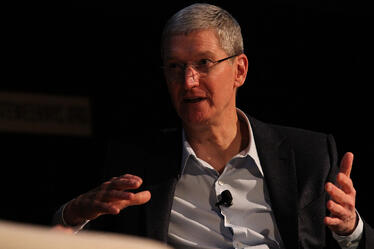
On Tuesday, Apple CEO Tim Cook announced the “biggest, boldest, and most ambitious project ever,” a partnership with First Solar to buy $850 million-worth of solar power. First Solar will build a new 130-megawatt solar power plant in Monterey County (Apple and First Solar are both members of AEE’s Leadership Council.) It is the single largest procurement deal for a private, non-utility company, and the resulting electricity generated will be enough to power all Apple stores in California, plus Apple’s corporate offices and a data center. In his article for Bloomberg Business, “What Apple Just Did in Solar is a Really Big Deal,” Tom Randall writes that Apple has been increasingly embracing advanced energy. The company already owns two completed 20-MW solar plants in North Carolina, with another in development. Apple’s data centers now run entirely on wind and solar power Randall writes, but Apple’s investment in solar isn’t an altruistic act.
 The budget request process is a quixotic and oftentimes symbolic effort. It is an opportunity for the White House to show to Congress and the public its priorities and how it would allocate taxpayer dollars, given the opportunity. This year’s budget request mirrored themes from the President’s State of the Union address, particularly when it comes to energy policy. The budget proposal includes a new $4 billion fund for states that goes further and faster than the current timeline allotted in the Clean Power Plan. It calls for a permanent extension of the Investment Tax Credit (ITC) and Production Tax Credit (PTC), which is currently lapsed, and asks for money to finance additional clean energy projects.