Biofuels Continue to Confront the Blend Wall

Posted by Frank Swigonski on Apr 20, 2016 5:16:36 PM

This post is one in a series of feature stories on trends shaping advanced energy markets in the U.S. and around the world, drawn from Advanced Energy Now 2016 Market Report, which was prepared for AEE by Navigant Research.

biofuels-oak-ridge-national-lab-brock-carter.jpg

On November 30, 2015, 12 months after its official deadline to propose the RFS levels for 2014 (that’s right, 2014), EPA released the final annual percent standards for 2014, 2015, and 2016, and for the 2017 Biodiesel volume.

For 2014, EPA played it safe, matching the annual percent standards with the actual consumption of biofuels in transportation fuel, heating oil, and jet fuel in the contiguous United States and Hawaii. EPA increased slightly the total mandate from 9.2% to 10.1% of U.S. fuel consumption in the next two years. Under the new mandate, there are separate carve-outs for advanced biofuels, which include biomass-based diesel (biodiesel or renewable diesel produced from vegetable oils or animal fats) and cellulosic fuels (biofuel including biogas that is produced from plant matter), and a general pool that can be fulfilled with other biofuels including grain-based ethanol (defined as starch-based ethanol).

Read More

Topics: Advanced Energy Now Market Report

THIS IS ADVANCED ENERGY: Flexible Alternating Current Transmission Systems

Posted by Caitlin Marquis on Apr 19, 2016 4:47:46 PM

This post is one in a series featuring the complete slate of advanced energy technologies outlined in the report This Is Advanced Energy

2.1_FACTS_from_SmartWires.jpg

Image courtesy of Smart Wires

Flexible Alternating Current Transmissions Systems (FACTS) include technologies that increase transmission system efficiency, maintain power quality, and respond quickly to disruptions to maintain reliability of the bulk power system. FACTS can be used to manipulate the conditions on transmission lines to keep AC power in balance by maintaining voltage stability, keeping current and voltage “in sync,” and dampening distortions. Transmission operators have always had to perform these functions, but in the past they used devices that relied on mechanical switches that performed more slowly, less efficiently, and less reliably.

Read More

NEWS: Tomorrow’s Technology TODAY! Plus, Nothing Mickey Mouse About this Solar Installation

Posted by Lexie Briggs on Apr 15, 2016 2:10:18 PM

disney-solar-625x326.jpg

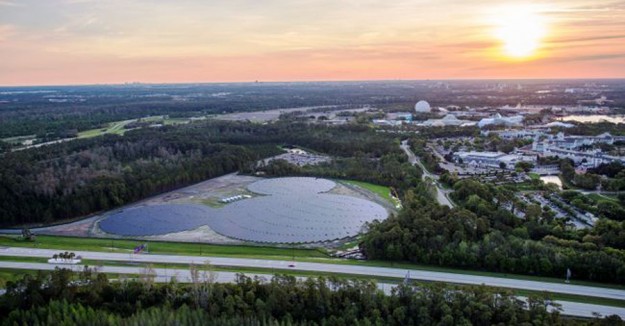
One of the most exciting things about advanced energy is its promise for the future. Yes, advanced energy is revolutionizing the way we generate, transmit, and use energy today, and some forms have been in use for thousands of years (check out Wikipedia’s entry on early river-based hydropower systems), but the promise of future technology is enough to get any red-blooded American excited. Well, this red-blooded American, anyway. From new ways to get power from the ocean to small-scale nuclear energy to a solar array fit for any Mouseketeer’s clubhouse, come with us to a journey to Tomorrowland.

Read More

Topics: News Update

Businesses to Lawmakers: Get Ohio Out of the Deep Freeze on Advanced Energy

Posted by Dylan Reed and J.R. Tolbert on Apr 14, 2016 11:27:49 AM

ohio-state-capitol-816248-edited.jpg

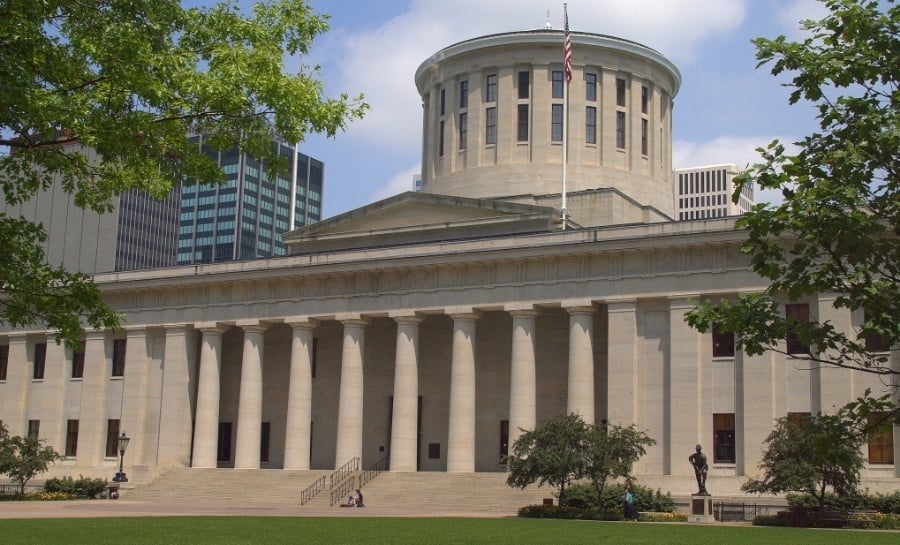
As the legislature returns to Columbus this month, energy is expected to be among the topics of debate. Will opponents of advanced energy send a signal to investors and developers that the state remains hostile territory to 21st century technologies by extending the current legislative freeze, or does the state reboot the advanced energy marketplace by reinstituting the RPS and EERS, or similar programs? That’s what’s at stake in lawmakers’ choice between continuing a “freeze” of key energy programs and a thaw that would allow Ohio to return to advanced energy progress.

Read More

Topics: State Policy

CHP Holds Appeal for Commercial and Institutional Buildings

Posted by Frank Swigonski on Apr 13, 2016 2:22:34 PM

This post is one in a series of feature stories on trends shaping advanced energy markets in the U.S. and around the world, drawn from Advanced Energy Now 2016 Market Report, which was prepared for AEE by Navigant Research.

CHP-231672-edited.jpg

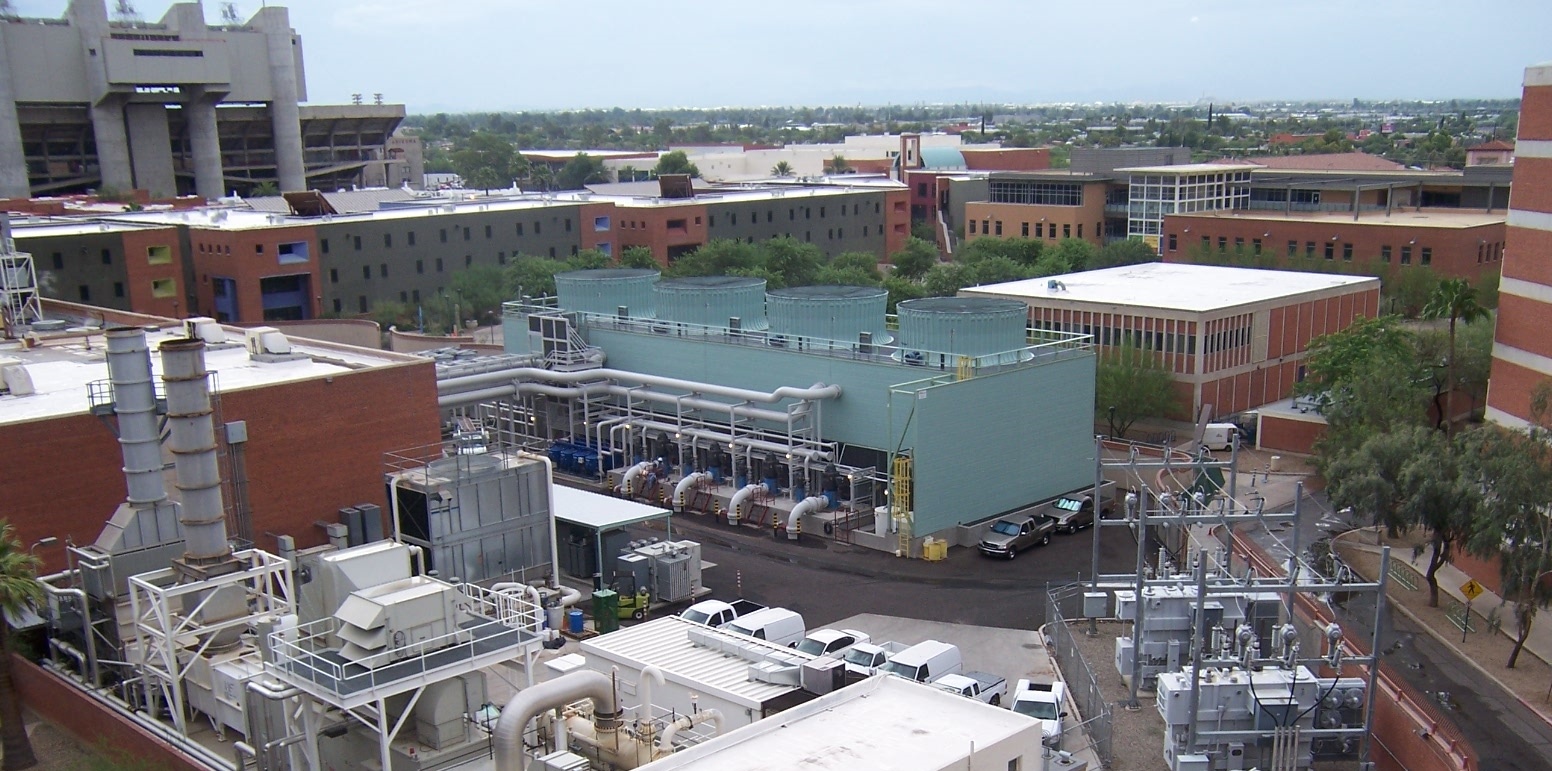
A CHP facility at the University of Arizona.

The use of CHP in large buildings has increased recently in the United States, Europe, and Asia-Pacific. This is due largely to technical improvements and cost reductions in smaller-scale (often pre-packaged) systems that match thermal and electrical requirements of buildings. Nevertheless, many owners of commercial properties, especially those of smaller facilities, are not aware of opportunities to install CHP, as they do not consider energy to be part of their core businesses. This educational gap presents a potential limitation on the continued growth in the number of CHP installations that are ultimately pursued.

Read More

Topics: Advanced Energy Now Market Report

Search

About

Advanced Energy Perspectives is Advanced Energy United's blog presenting news, analysis, and commentary on creating an advanced energy economy. Join the conversation!

Subscribe Here!

Recent Posts

Posts by Topic

See all