NEWS: New Heights for Wind Turbines; New Opportunities for Storage; the Grid’s “Best Kept Secret”?

Posted by Lexie Briggs on Jun 10, 2016 12:07:01 PM

51st-state-create-universe-tesla-wv-363631-edited.jpg

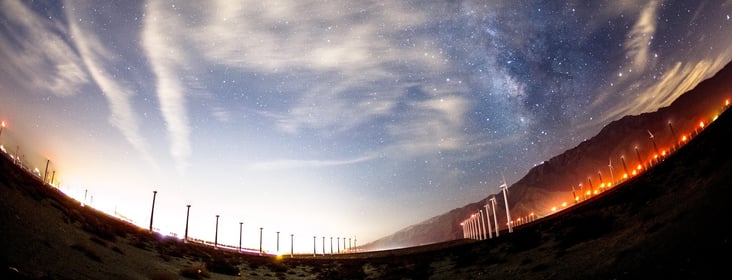
This week we saw wind turbines reaching heights, new opportunities for energy storage in California, and the grid’s “best kept secret.” (Spoiler: it’s Combined Heat and Power, but that’s apparently not sexy enough for your average consumer). But let’s begin this week in Iowa, where time-lapse footage from MidAmerican Energy gives us a look into the construction of the tallest wind turbine ever built in the United States. Working night and day, construction crews build the turbine, which has a capacity of 2.4 MW. And you can see it put together in just 5 minutes and 42 seconds! 

Read More

Topics: News Update

NERC to States: Ready or Not, Here Comes Advanced Energy

Posted by Caitlin Marquis on Jun 7, 2016 3:52:49 PM

powerlines-flowers-240671-edited.jpg

In May, the North American Electric Reliability Corporation (NERC) released “Phase II” of its reliability assessment of the Environmental Protection Agency’s Clean Power Plan (CPP). Those of us familiar with NERC’s Initial Reliability Report and its “Phase I” report were bracing for an exaggerated list of reliability threats we saw as inconsistent with current trends in the electricity system. What we got was quite different. The new NERC in a nutshell: Change is coming, CPP or not. But before we dig in, let’s recap the earlier reports, which did so much to raise concerns about the CPP.

Read More

Topics: Federal Priorities

THIS IS ADVANCED ENERGY: Hybrid Electric Vehicles

Posted by Caitlin Marquis on Jun 6, 2016 4:55:32 PM

This post is one in a series featuring the complete slate of advanced energy technologies outlined in the report This Is Advanced Energy.

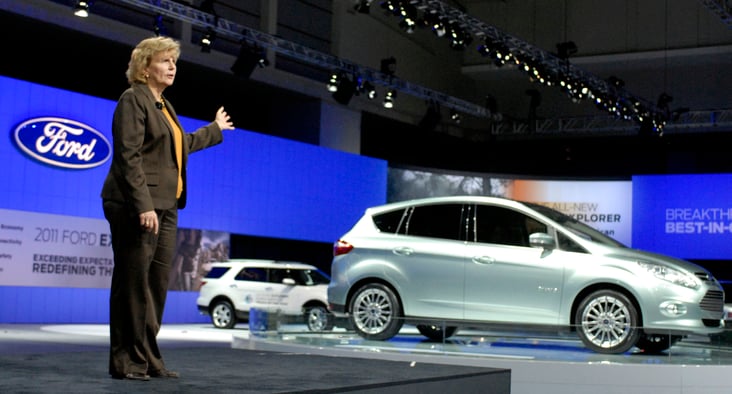
5.2_Hybrid-Electric-Vehicles-photo-credit-Ford-Motor-Company.jpg

Image courtesy of Ford Motor Company.

Hybrid electric vehicles (HEVs), commonly called “hybrids,” are powered by a combination of a conventional internal combustion engine (typically gasoline-fueled) and a battery-powered electric motor, usually featuring a nickel-metal hydride or lithium-ion battery. The hybrid drivetrain works in several ways to improve fuel economy. Having a larger battery than a conventional vehicle allows the engine to turn off at low speeds, when driving downhill, and while idling. Since the electric motor can assist with acceleration, a smaller gasoline engine is used, which reduces fuel consumption. The integrated system also allows the gasoline engine to operate in a more efficient power range.

Read More

NEWS: Solar from the Big Sky to Cornhuskers

Posted by Lexie Briggs on Jun 3, 2016 12:56:31 PM

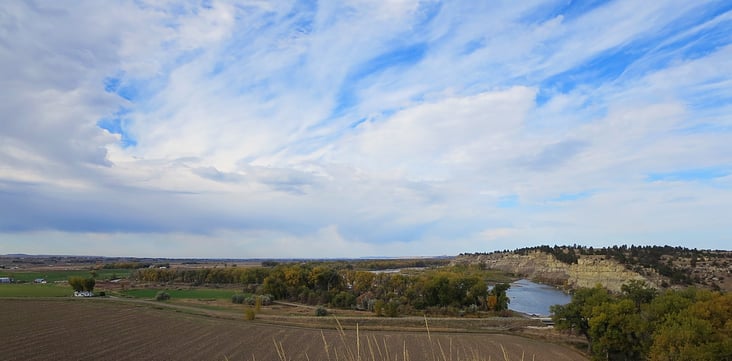
Montana-solar-big-sky-347898-edited-111682-edited.jpg

Montana's big sky. Photo by Lexie Briggs. 

This week, the news was shining bright with solar energy, both new generation and new policies. We’re used to those stories coming from a few key states, but this week it’s like Kevin Spacey’s entire oeuvre: not just the usual suspects. Take Montana, for instance. Though the state is known as an energy producer, it’s mostly been in the news as an example of the resurgence of the U.S. gas and oil drilling industry or of the country’s growing wind generation capacity. This week, however, Tom Lutey, writing for the Billings Gazette reported that recently, solar has become the rage.

Read More

Topics: News Update

China Drives Nuclear at Home and Abroad

Posted by Frank Swigonski on Jun 3, 2016 10:11:48 AM

This post is one in a series of feature stories on trends shaping advanced energy markets in the U.S. and around the world, drawn from Advanced Energy Now 2016 Market Report, which was prepared for AEE by Navigant Research.

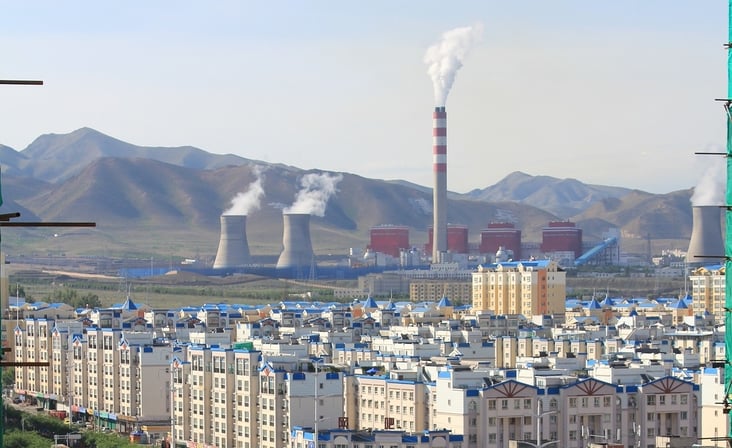
urumqi-707132_1920-147571-edited.jpg

Nuclear facility in Urumqi, Northern China. Via.

China continues its highly ambitious deployment of electricity generation of all kinds domestically and continues to have a major impact by exporting its technology as well. China’s most recent 2020 energy targets call for 200 GW of solar PV, 250 GW of wind, and a steady rollout of nuclear power: 58 GW by 2021, 150 GW by 2030, and 400-500 GW by 2050. According to the World Nuclear Association, China currently is home to 30 nuclear power reactors currently in operation, an additional 24 under construction, and more about to start construction, which means the country is on track to hit its nuclear targets, just as it is with its solar PV and wind targets. By far, China is leading the global nuclear market, which totaled $18.1 billion in 2015, up 13% over 2014 – though still down from a five-year peak of $40.8 billion in 2011.

Read More

Topics: Advanced Energy Now Market Report

Search

About

Advanced Energy Perspectives is Advanced Energy United's blog presenting news, analysis, and commentary on creating an advanced energy economy. Join the conversation!

Subscribe Here!

Recent Posts

Posts by Topic

See all