New York Gets into the Details of a New Business Model for Utilities

Posted by Ryan Katofsky on Nov 5, 2015 5:29:40 PM

 New York City Skyline

A little over a year ago, in an update on New York’s groundbreaking Reforming the Energy Vision (REV) proceeding, we wrote that the “devil is in the details.” Today, we have a lot more details. In late July, the Public Service Commission issued its “Staff White Paper on Ratemaking and Utility Business Models.” As the title suggests, this document makes initial proposals to change how utilities make money (the business models) and how they would charge customers to reward certain behaviors and discourage others (ratemaking). As with other participants in the proceeding, we have spent the past three months poring over this White Paper and thinking through the benefits and risks to advanced energy companies of its various provisions. Although the details are still devilish, the REV vision of a dynamic electric power system built around energy efficiency, onsite solar and wind, energy storage, cogeneration and microgrids, and other distributed resources, rather than a static, one-way system of central power plants, poles, and wires, continues to look bright for advanced energy.

Read More

Topics: State Policy

In New Report and Before the Supreme Court, Demand Response is in the Spotlight

Posted by JR Tolbert on Oct 22, 2015 4:01:22 PM

Boston-July2015-Robbie-Shade-flickr-061933-edited

Actual peak load forcast in Massachusetts in 2015 was 12,287 MW. Photo: Boston from above via Robbie Shade.

Demand for electricity can spike during just a few hours a year, and typically 10 percent of our electric system capacity is built to meet demand in just 1 percent of hours during the year. This comes at a significant cost to consumers. Last week, Advanced Energy Economy released a new report, “Peak Demand Reduction Strategy,” showing that states that implement peak demand programs can significantly reduce costs for customers, strengthen reliability of electric service, and ease compliance with EPA’s Clean Power Plan. The day before, the U.S. Supreme Court heard oral arguments in a case that will determine whether the Federal Energy Regulatory Commission (FERC) has authority to regulate payments for demand response, a primary mechanism for reducing peak demand. In all, it was a big week for efforts to get spikes in electricity demand under control.

Read More

Topics: State Policy

In Tumultuous Session, North Carolina Holds the Line on REPS, But Allows Tax Credit to Expire

Posted by Anna Giovinetto on Oct 15, 2015 2:09:10 PM

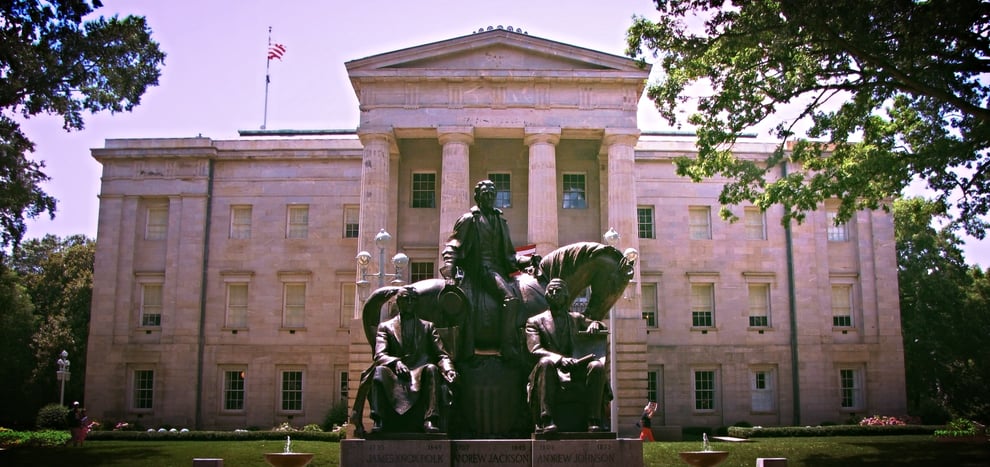
nc-capitol-Photo-by-Gerry-Dincher-955541-edited

Ending the longest legislative session in 13 years, the North Carolina General Assembly adjourned on Wednesday, Sept. 30. It was a busy, and contentious, session for the advanced energy industry, and results were mixed. Due to the tireless efforts of the North Carolina Sustainable Energy Association (NCSEA), AEE’s partner in the Tar Heel State, the state’s Renewable Energy and Energy Efficiently Portfolio Standard remains intact. But a tax credit that has made North Carolina a national leader in solar power development was allowed to lapse after this year.

Read More

Topics: State Policy

More Than Half a Loaf: California Sets ‘50-50 by 2030’ Goals for Renewables and Building Efficiency as 50% Oil Reduction Gets Shelved

Posted by Amisha Rai on Sep 17, 2015 5:23:36 PM

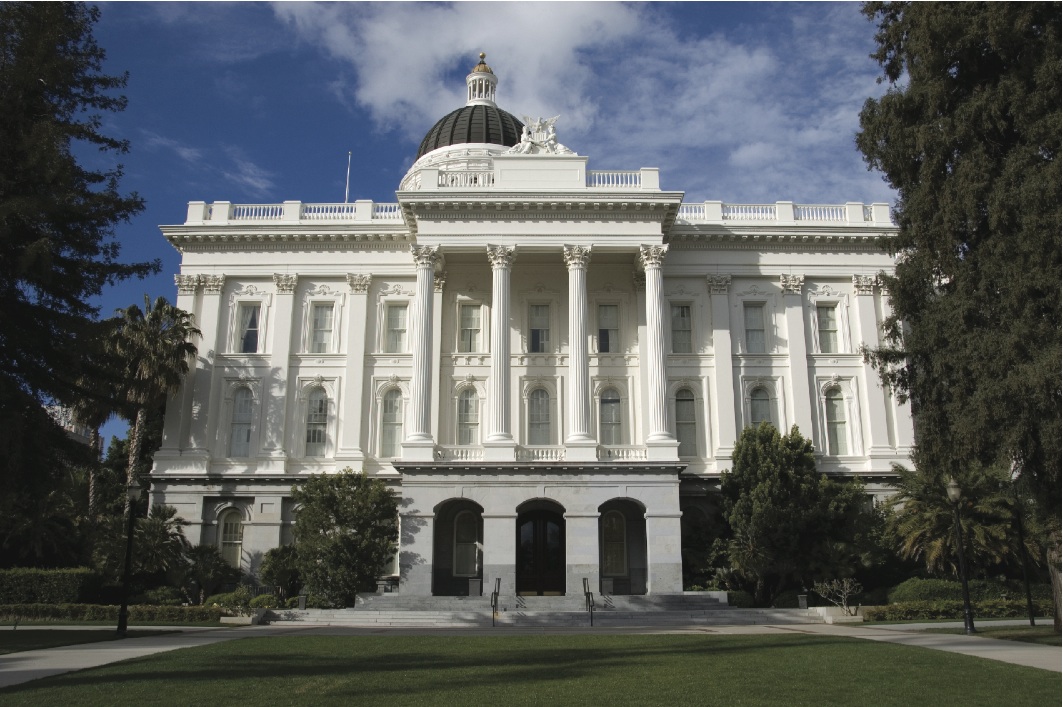
California_Advanced_Energy

In his State of the State speech in January, Gov. Jerry Brown announced his Administration’s determination to extend California’s climate and energy goals to 2030. The Governor called for strengthening the state’s renewable and energy efficiency goals and for steep reductions in the use of petroleum, capturing the goals in a catchy formula: 50-50-50. Senate President Pro Tem Kevin de León took up the challenge and introduced SB 350. The bill, supported actively by AEE, called for raising the RPS to 50%, increasing efficiency in existing buildings by 50%, and reducing petroleum usage by 50%. It came down to literally the 11th hour of the session, but the groundbreaking bill passed the legislature on September 11 – minus the oil-reduction goal. Still, it was a big step forward for California’s already nation-leading energy and climate policies – and on reducing petroleum use, Gov. Brown vowed to fight another day.

Read More

Topics: State Policy, California Engagement

RENEWABLE ENERGY NOTES: NREL Touts Wind; Transmission as the New Railroad; Community Solar Takes Off

Posted by Anna Giovinetto on Sep 3, 2015 1:44:00 PM

wind-power-generation-pixabay

NREL says that wind could become the country’s “dominant” source of electricity with “near-future” technology. Slate, the online magazine, likens the present-day need for more long-distance transmission lines to the need for transcontinental railroads more than 150 years ago. And do you know which sector GTM Research has identified as the “most significant solar growth market in the U.S.,” growing 5X this year alone? Hint: it’s not utility-scale, and it’s not rooftop. These are some recent developments in renewable energy, and we’ve been taking notes.

Read More

Topics: State Policy

Search

About

Advanced Energy Perspectives is Advanced Energy United's blog presenting news, analysis, and commentary on creating an advanced energy economy. Join the conversation!

Subscribe Here!

Recent Posts

Posts by Topic

See all