Rate Design for a DER future: Designing rates to better integrate and value distributed energy resources

Posted by Coley Girouard on Feb 20, 2018 2:00:00 PM

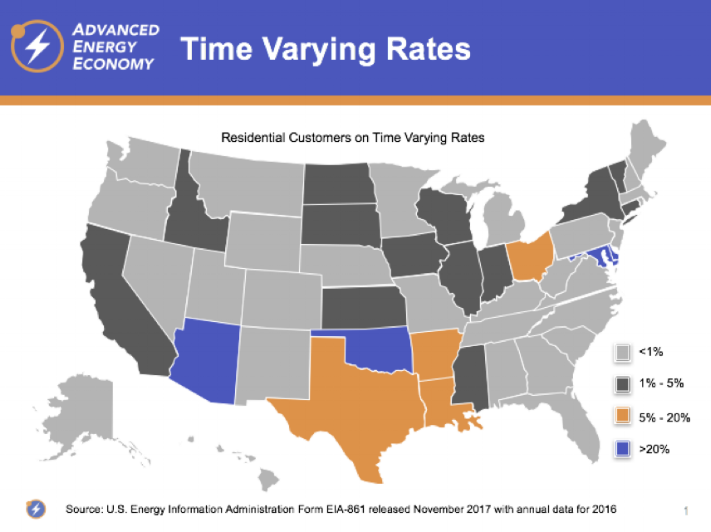
TVR-map-711.png

A successful transition to a 21st Century Electricity System requires consideration of a range of issues that will ultimately redefine the regulatory framework and utility business model while creating new opportunities for third-party providers and customers to contribute to the operation of the electricity system. In this fourth in an occasional series published by Utility Dive, AEE looks at the issue of rate design in a changing electric power system . 

The U.S. electricity system is changing, driven by technological innovation, increased use of distributed energy resources (DER), and evolving customer needs and preferences. If DER assets are properly integrated into the system, they have the potential to make the grid more efficient, flexible, resilient, reliable, and clean, while simultaneously giving customers greater choices and control over energy use and costs. For this to happen, new rate designs will be needed – and some approaches to new rate design fulfill the promise of a DER future better than others.  
Read More

Despite Market, Policy Uncertainties, ‘Factbook’ Shows an Advanced Energy Boom, Employing 3 Million U.S. Workers

Posted by Monique Hanis on Feb 15, 2018 11:44:24 AM

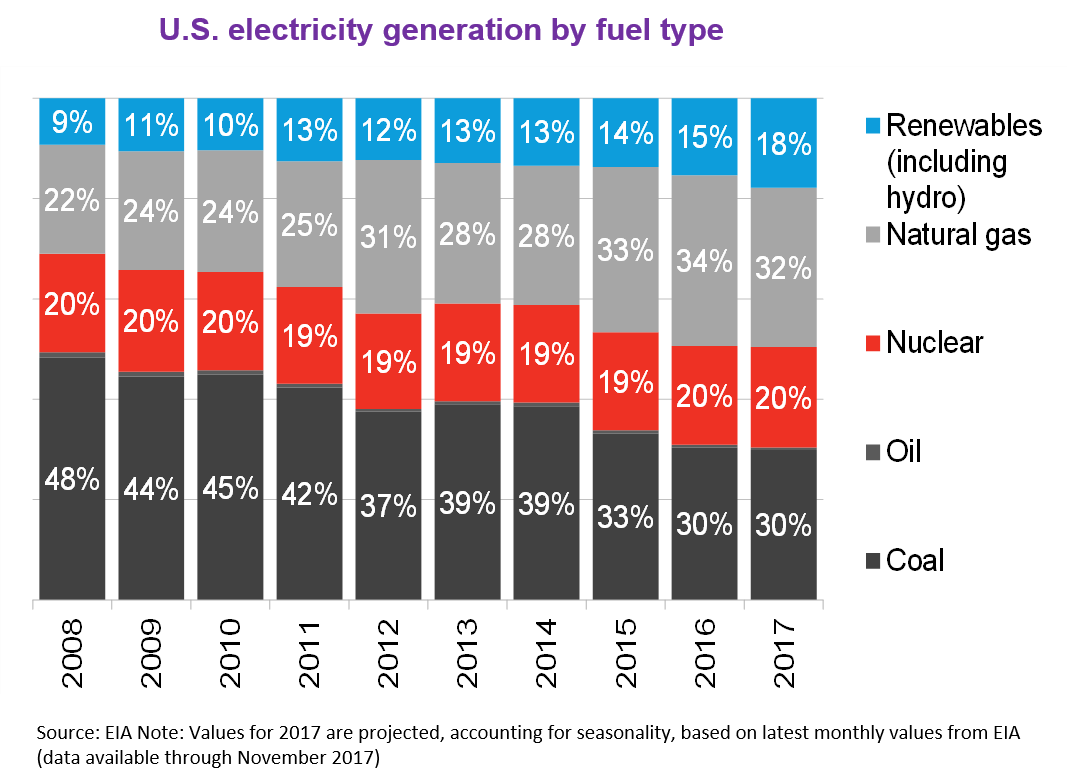
U.S. Electricity Generation by fuel type-1.png

Today, the Business Council for Sustainable Energy (BCSE) and Bloomberg New Energy Finance (BNEF) released their 2018 “Sustainable Energy in America Factbook,” which quantifies power generation investments and production market share across the U.S., along with other noteworthy highlights. Reviewing the 2017 data, one quickly sees that advanced energy is booming, despite policy and market uncertainties on federal and state levels.

Read More

Topics: Advanced Energy Now Market Report

How Much Can Reducing Peak Electricity Use in Indiana Save Hoosiers? Billions

Posted by Vince Griffin on Feb 14, 2018 4:00:00 PM

Demand_Response-2-881282-edited.jpg

As the nation’s top per capita manufacturing state – the No. 1 steel producer and No. 3 for cars – Indiana is an energy-intensive state, so saving energy means saving money here as much as anywhere. But cost is driven especially by turning on those last, most expensive power plants – or building new ones – to meet demand at its peak. Meeting peak demand is expensive; not only are wholesale electricity prices higher during those times, but about 10% of our state’s electric power infrastructure investments focus on serving load during just 1% of the hours of the year. If Indiana can shave or eliminate these expensive peaks it could reduce costs and improve reliability, because times of peak demand are also typically when the grid is most stressed. Our new report shows three ways that Indiana can reduce peak demand.

Read More

Topics: State Policy, Utility, Regulatory

In Budget Agreement, Congress Comes Through with Tax Equality for 'Orphan' Technologies

Posted by Dylan Reed on Feb 13, 2018 3:30:00 PM


Capitol-spring-750.jpg

In what is becoming a monthly ritual in DC, Congress passed a month-long spending bill late last week to avoid a government shutdown. While headlines captured the story of another dodged shutdown (at least until next month), the eyes of the advanced energy industry caught another storyline. Congress fulfilled a promise to level the playing field for a variety of advanced energy technologies, giving the industry a better chance to grow. The bill provides the market certainty that will support investment in technologies like fuel cells, combined heat and power, energy efficiency, geothermal, and advanced nuclear. Read on for the details of the tax deal, and how we got here. 

Read More

Topics: Federal Priorities

Gov. Brown's New ZEV Goal Puts Calif. in the Lead for Advanced Transportation

Posted by Amisha Rai and Matt Stanberry on Feb 1, 2018 1:32:00 PM

2.6_EV-Charging-Infrastructure-711.jpg

Last Friday, Gov. Jerry Brown set another ambitious and significant marker for California: 5 million zero emission vehicles on the road by 2030. As previewed in the governor’s final State of the State speech the day before, his Executive Order calls for substantial investments in electric and fuel cell vehicles, along with the necessary infrastructure to fuel and charge them. Transportation is the next frontier in building California’s advanced energy economy, and with this action, Gov. Brown has taken a big step forward.

Read More

Topics: California Engagement, Advanced Transportation

Search

About

Advanced Energy Perspectives is Advanced Energy United's blog presenting news, analysis, and commentary on creating an advanced energy economy. Join the conversation!

Subscribe Here!

Recent Posts

Posts by Topic

See all