FEDERAL: Here Comes the Quadrennial Energy Review. What Will Congress Do With It?

Posted by Arvin Ganesan on Apr 9, 2015 12:38:43 PM

Capitol-spring-564699-edited

The U.S. Department of Energy (DOE) signaled last week that the part one of the first-ever Quadrennial Energy Review (QER) of the United States’s comprehensive energy strategy would come out by the end of April. This first installment will focus on transmission, storage and distribution issues impacting the electricity grid. While not publicly announced, it appears that the second part will focus on supply and end use of energy. The goal of these reports – and the QER writ large – is to identify trends, threats, and opportunities in the energy system and inform executive and legislative actions, including investment in research and development. It is no coincidence that both the Senate and House announced plans to introduce legislation to address the “energy infrastructure” issues associated with the first QER report.

Read More

Topics: Federal Priorities

Advanced Energy Technology of the Week: Energy Storage

Posted by Maria Robinson on Apr 8, 2015 5:29:56 PM

The U.S. Environmental Protection Agency’s (EPA’s) plan to regulate carbon emissions is just the latest challenge facing the U.S. electric power system. Technological innovation is disrupting old ways of doing business and accelerating grid modernization. Earlier this year, AEE released Advanced Energy Technologies for Greenhouse Gas Reduction, a report detailing the use, application, and benefits of 40 specific advanced energy technologies and services. This post is one in a series drawn from the technology profiles within that report.
EnergyStorage-926314-edited

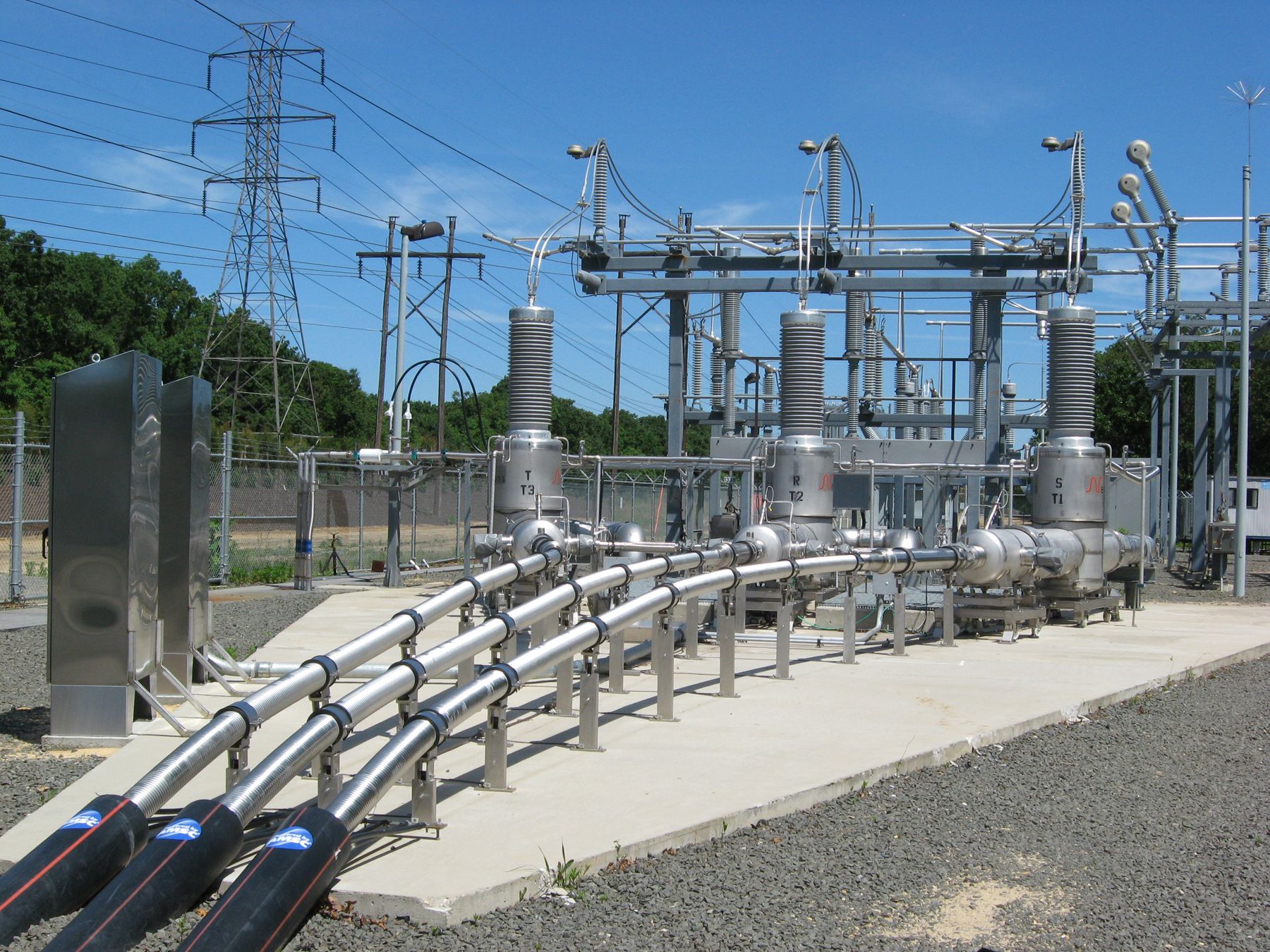
Several technologies can be used to store energy on the electricity transmission and distribution grid, including pumped storage hydro (PSH), compressed air energy storage (CAES), electrochemical batteries, flywheel systems and thermal energy storage systems. Electricity is then generated during peak hours by releasing the water through a hydro turbine. CAES stores energy by using an electric motor to drive an air compressor that fills a storage facility (typically an underground cavern) with compressed air.

Read More

ADVANCED ENERGY NOW: LNG Terminal Building Bonanza has Begun

Posted by Maria Robinson on Apr 6, 2015 2:57:00 PM

This post is one in a series of feature stories on trends shaping advanced energy markets in the U.S. and around the world, drawn from Advanced Energy Now 2015 Market Report, which was prepared for AEE by Navigant Research. 

lng-terminal-by-tsuna72-600678-edited

International marine construction companies are seeing a bonanza of new projects as countries around the world approve massive new terminals for liquefied natural gas (LNG) – for imports in most cases, and for exports from North America, Australia, and some Southeast Asian countries. Altogether, this frenzy of port building – at a price tag of around $10 billion apiece – could amount to hundreds of billions of dollars in investment over the next decade as seaborne trade in LNG climbs to meet rising demand, particularly in the energy-hungry countries of China, India, and other Asian nations.

Read More

Topics: Advanced Energy Now Market Report

NEWS: New Utility Model, Same as the Old Utility Model? In West Virginia, Tesla is Just a Small Town

Posted by Lexie Briggs on Apr 3, 2015 11:50:00 AM

 51st-state-create-universe-tesla-wv

“If you wish to make an apple pie from scratch, you must first invent the universe.” That’s a quote from Carl Sagan’s groundbreaking Cosmos. To build an electrical grid for an imaginary “51st state” from scratch… well, the Solar Electric Power Association (SEPA) asked utilities and other stakeholders how they would go about it. Presumably they would also invent the universe first, but we’ll skip ahead a bit.

Read More

Topics: News Update

North Carolina is Leading the Charge for Customer Access to Renewable Energy

Posted by Anna Giovinetto on Apr 2, 2015 2:22:12 PM

nc-sunrise-824409-edited

Renewable energy is becoming mainstream, thanks to falling costs and rising consumer interest. State renewable portfolio standards (RPS), which diversify the energy mix by requiring utilities to obtain a percentage of their generation from renewables, have played a major role in increasing deployment of renewable energy, and continue to be an important driver. Recently, a new source of demand has emerged: corporations that want to get the energy they use from renewable sources.

Read More

Topics: State Policy

Search

About

Advanced Energy Perspectives is Advanced Energy United's blog presenting news, analysis, and commentary on creating an advanced energy economy. Join the conversation!

Subscribe Here!

Recent Posts

Posts by Topic

See all