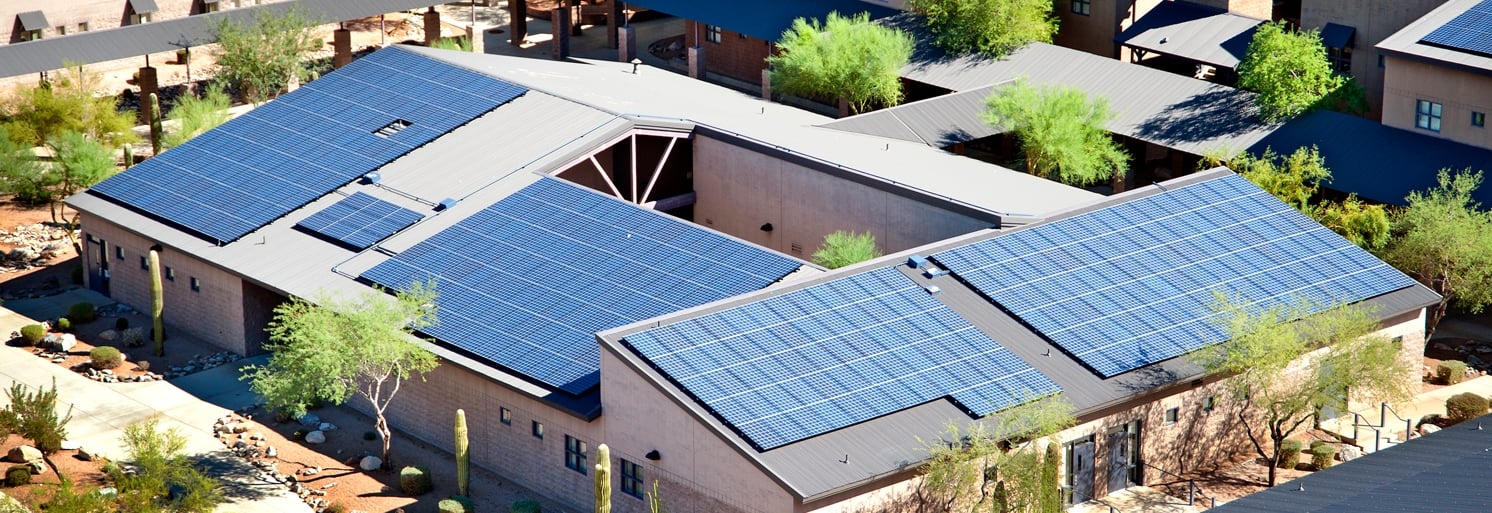
Musk’s solution will come as no surprise to regular readers of Advanced Energy Perspectives: solar plus storage. But leave it to Musk to go big.

Musk’s solution will come as no surprise to regular readers of Advanced Energy Perspectives: solar plus storage. But leave it to Musk to go big.
Topics: News Update

On April 21, the North American Electric Reliability Corp. (NERC) released its “Phase I” assessment of the reliability impacts of EPA’s Clean Power Plan. The Phase I report is a follow-up to NERC’s Initial Reliability Review, and NERC indicates there will be more to come. This is in keeping with NERC’s vital role in informing policymakers and grid operators about issues in maintaining reliable electric service across the country. Precisely because of NERC’s role as guardian of electric reliability, it’s important to point out where analyses commissioned by NERC fall short.
The Phase I modeling of the Clean Power Plan (CPP) as proposed – which is now under revision at EPA, in preparation for the final rule due this summer – projects an electric power system of the future that is inconsistent with the technology and market trends of today, let alone tomorrow. Taking into account the more likely result of ongoing developments in the electric power sector, especially those that will be accelerated by the CPP, the reliability concerns raised in the Phase I report largely disappear.
The U.S. Environmental Protection Agency’s (EPA’s) plan to regulate carbon emissions is just the latest challenge facing the U.S. electric power system. Technological innovation is disrupting old ways of doing business and accelerating grid modernization. Last year, AEE released Advanced Energy Technologies for Greenhouse Gas Reduction, a report detailing the use, application, and benefits of 40 specific advanced energy technologies and services. This post is one in a series drawn from the technology profiles within that report.
Smart grid communications networks include software and hardware that enable the collection of data from and communication between smart grid technologies, including advanced metering infrastructure (AMI). Smart grid software and hardware technologies allow utilities to collect vast amounts of real-time data. Smart grid data management and analytics solutions help them organize, analyze, and act on that data. These solutions are complex software platforms that use algorithms to scan all of the incoming data and point toward actionable conclusions for utilities, energy service companies, and energy consumers. These programs also help to forecast demand and better identify and monitor outages.
This post is one in a series of feature stories on trends shaping advanced energy markets in the U.S. and around the world, drawn from Advanced Energy Now 2015 Market Report, which was prepared for AEE by Navigant Research.

Today’s consumers have more tools at their disposal than ever before – for reducing consumption, managing energy use, and generating power for their homes. New residential-focused technologies, cost reductions, and business models are creating opportunities for advanced energy companies while saving money for homeowners.

Ah, Hawaii. The palm trees sway in the tropical breezes, the volcanoes cast long shadows on beautiful white sand beaches, and diesel-fired power plants generate electricity at the highest prices in the country. Big things are afoot for the electricity system of this tiny U.S. state, though. This week, let Advanced Energy Perspectives take you on a Hawaiian vacation… or, well, we’ll discuss the changes in Hawaii’s energy mix and you can pretend you’re on a beach somewhere. Deal?
Topics: News Update
Advanced Energy Perspectives is Advanced Energy United's blog presenting news, analysis, and commentary on creating an advanced energy economy. Join the conversation!