Top 10 Public Utility Commission Issues to Watch in 2016

Posted by Coley Girouard on Feb 4, 2016 4:49:32 PM

In this post, we look at 10 key issues before state public utility commissions (PUCs) this year, from comprehensive energy storage to rate design and utility mergers. For access to PUC dockets referenced in this column in all 50 states, along with state legislative activity, sign up for a free trial of AEE’s PowerSuite. The trial includes a free subscription to DocketDigest, our bi-weekly newsletter focused on the latest PUC advanced energy dockets.
aeei-california-report-cover-815361-edited.jpg

1. California Dreamin’

California is currently immersed in a variety of proceedings focused on topics ranging from distribution planning to rate design to energy storage. Arguably the two most consequential proceedings are on Distribution Resource Plan (DRP) - focused on how utilities can value distributed energy resources (DER) - and Integrated Demand-Side Resource (IDER) - focused on how best to source DER needed by utilities and to consider the issue of localized incentives.
Read More

Topics: PUCs

THIS IS ADVANCED ENERGY: Advanced Metering Infrastructure

Posted by Caitlin Marquis on Feb 2, 2016 2:59:56 PM

This post is one in a series featuring the complete slate of advanced energy technologies outlined in the report This Is Advanced Energy

2.8_advanced-metering.jpg

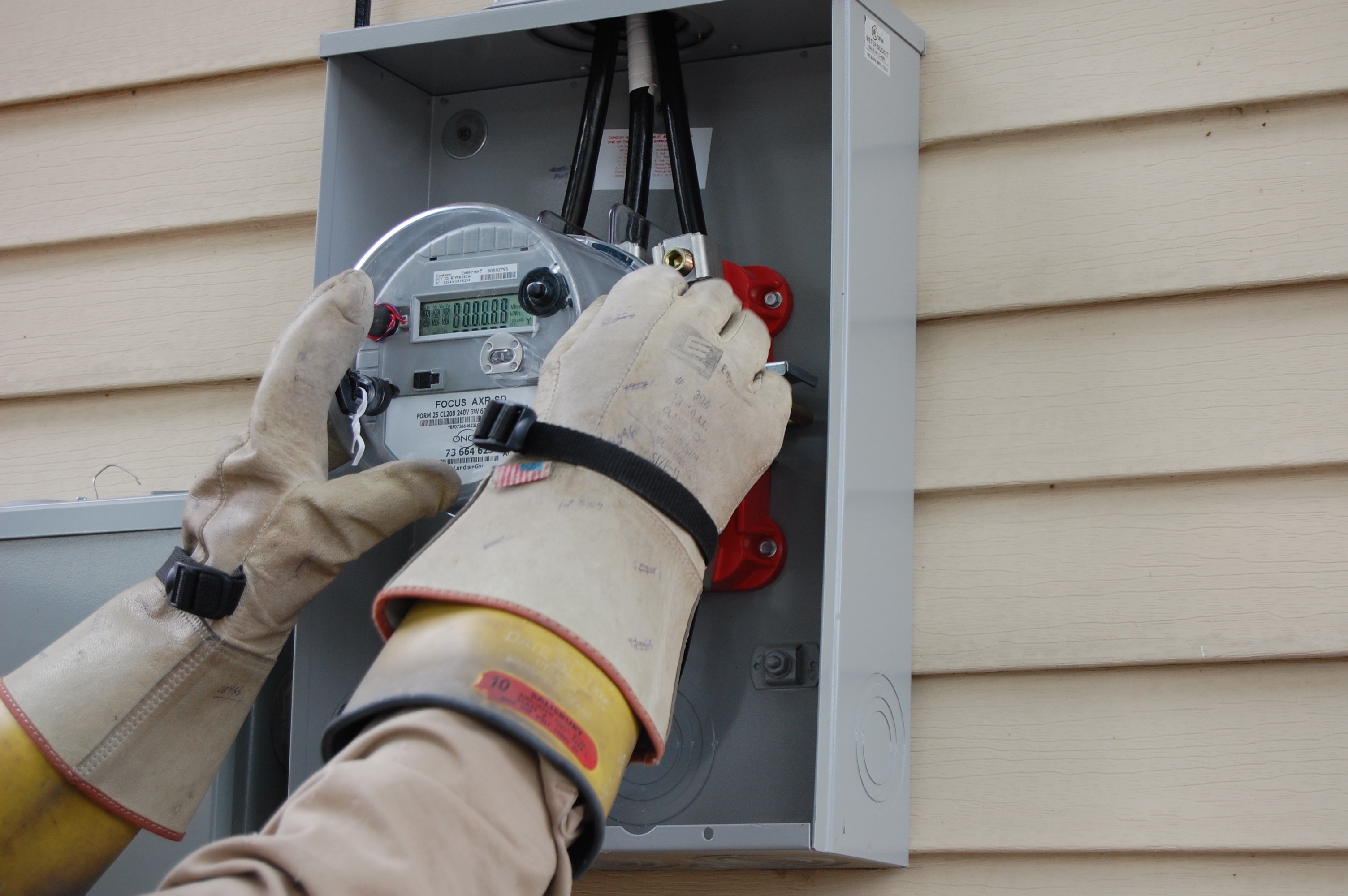
Image courtesy of AEE member Landis+Gyr.

Advanced metering infrastructure (AMI) is an integrated system of smart meters, communications networks, and data management systems that enables two-way communication between utilities and customers. While traditional meters that are read monthly, smart meters record electricity in intervals of an hour or less (typically 15 minutes), and transmit this information along with data on power outages and power quality to utilities for monitoring and billing purposes, usually over a secure communication network. Two-way communication with smart meters allows utilities to relay detailed energy usage and pricing information back to the customer, enabling active energy management. AMI is part of the broader “smart grid” that is enabling more efficient and reliable operation of the grid and facilitating the deployment of new products and services such as smart appliances and thermostats, in-home displays, and energy management systems.

Read More

NEWS: Megawatts or Negawatts? That is the Question – and the Supreme Court Decided It

Posted by Lexie Briggs on Jan 29, 2016 11:36:27 AM

megawatts-negawatts-demand-response-pixabay-1.jpg

Amid Snowzilla’s winter of discontent, on Monday the Supreme Court ruled on EPSA v. FERC, a case that had the power to define the future of the demand response market. In a big win for advanced energy, the court ruled that the Federal Energy Regulatory Commission’s (FERC’s) Order 745, which gives FERC rulemaking authority over both traditional electricity generators and demand response providers in wholesale power markets, would stay in place. Call it a tale of two electricities.

Read More

Topics: News Update

Understanding the Clean Energy Incentive Program

Posted by Frank Swigonski on Jan 28, 2016 1:13:30 PM

49261main_usa_nightm-842182-edited-476249-edited.jpg

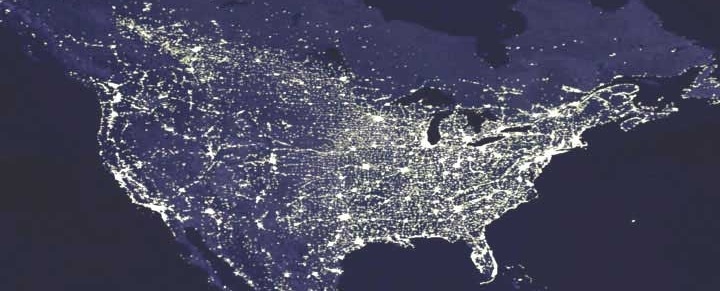
EPA’s greenhouse gas regulation, the Clean Power Plan, won’t take effect until 2022, but planning is already well underway in states across the country. Initial state compliance plans are due in September of this year but many states will opt for an extension and submit final plans in 2018. As states think about how to reduce carbon emissions from existing power plants, many of them are turning to advanced energy which is already being deployed across the country at a growing rate. They should do so earlier, rather than later. That’s because EPA is allowing them to get credit for some advanced energy deployed before the official start of the Clean Power Plan compliance period in 2022. And too few states are aware of how much they could benefit from that.

Read More

Why Does the Supreme Court Care About Demand Response?

Posted by Sarah McAuley on Jan 27, 2016 3:13:51 PM

This guest post was originally posted on EnergySMART, EnerNOC's blog that plugs into the conversation. EnerNOC is on the Leadership Council of AEE. For more information about our members, click here.

supreme-court-546279_1280-847970-edited.jpg

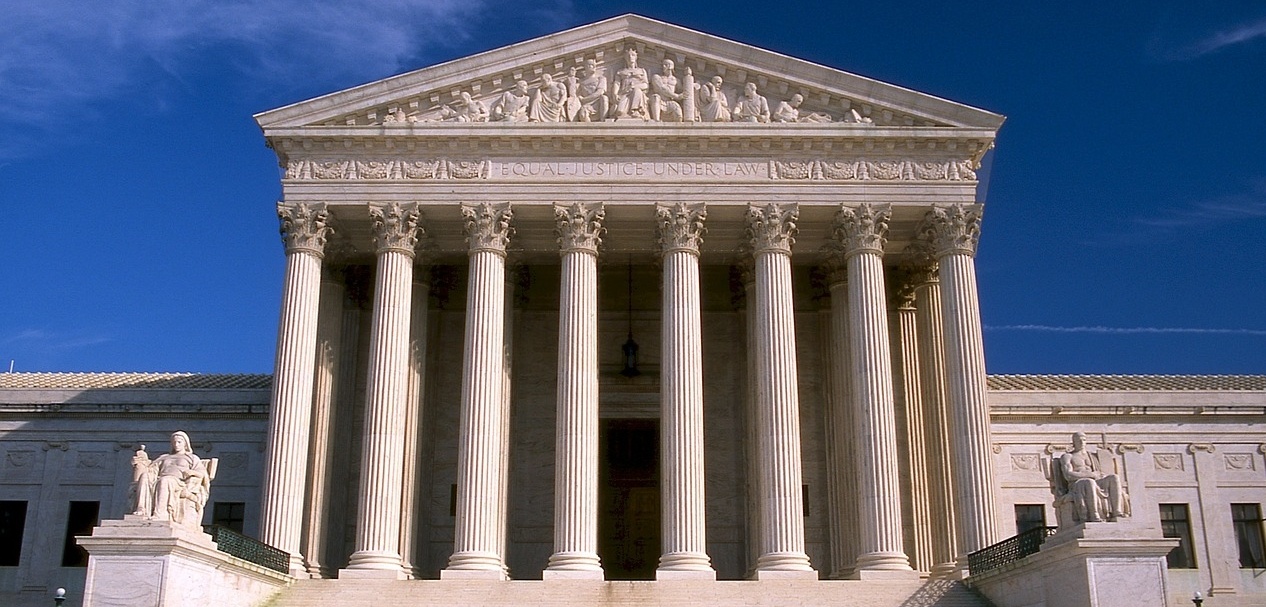
On Monday, the Supreme Court of the United States announced that it sided with EnerNOC and the Federal Energy Regulatory Commission (FERC) in the case EPSA v FERC.

The issue at stake was whether or not FERC, the federal body that makes the rules about how both traditional generators and demand response providers participate in our nation’s wholesale electricity markets, has the proper jurisdiction to make those rules.

Opposing FERC was the Electric Power Supply Association (EPSA), the lobbying arm for the power generator industry. It’s the type of legal argument that can make policy and energy wonks giddy with excitement, while the average person fights to stay awake. But the Supreme Court believed the issue was of such national importance that they decided to take the case.

So why did FERC win—and also, why does it matter?

Read More

Topics: Guest Post

Search

About

Advanced Energy Perspectives is Advanced Energy United's blog presenting news, analysis, and commentary on creating an advanced energy economy. Join the conversation!

Subscribe Here!

Recent Posts

Posts by Topic

See all