FERC Agrees with AEE: Let All Advanced Energy Technologies Compete in Regional Power Markets

Posted by Dylan Reed and Frank Swigonski on Nov 28, 2016 12:04:36 PM

ferc-building.jpg

On Nov. 17, the Federal Energy Regulatory Commission (FERC) issued a notice of proposed rulemaking (NOPR) that has the potential to significantly expand opportunities for advanced energy technologies in the coming years. The proposed rule will allow more competition from advanced energy technologies in the regional electricity markets under FERC’s jurisdiction, driving down costs for consumers while giving the industry greater chance to grow. AEE has frequently noted that current rules do not allow advanced energy to compete fully in wholesale markets. With unnecessary obstacles removed, the advanced energy industry will be able to grow with the simple force of free markets. With Thanksgiving just behind us, we’re thankful for this effort by FERC to remove market barriers for advanced energy in wholesale markets.

Read More

Topics: Wholesale Markets, Federal Priorities

THIS IS ADVANCED ENERGY: Compressed Natural Gas and Liquefied Natural Gas

Posted by Caitlin Marquis on Nov 22, 2016 12:02:34 PM

This post is one in a series featuring the complete slate of advanced energy technologies outlined in the report This Is Advanced Energy

6.3 LNG-CNG-Fueling Infrastructure.jpg

Photo courtesy of Clean Energy Fuels

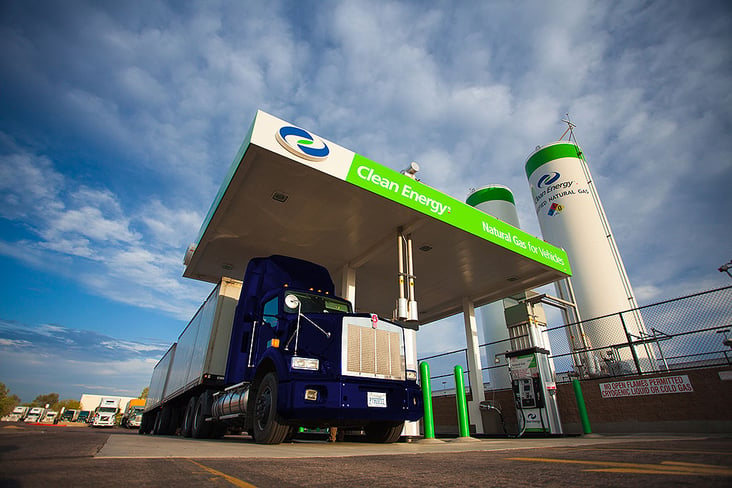
Compressed Natural Gas (CNG) and Liquefied Natural Gas (LNG) are gaining market share as transportation fuels. The technologies for producing, storing and using both CNG and LNG are well developed. With CNG, pipeline natural gas is compressed to 3,000 to 4,000 pounds per square inch (psi) and stored in a pressurized tank on board the vehicle. CNG fueling stations include all the equipment necessary to take natural gas from the local distribution system, compress it, and refuel the vehicles. With LNG, the natural gas must be cooled to about -260°F at which point the methane (the main constituent of natural gas) turns to a liquid. The LNG is stored in insulated cryogenic tanks at the refueling station and on board the vehicle.

Read More

NEWS: The Art of the (Musk) Deal

Posted by Lexie Briggs on Nov 18, 2016 2:22:41 PM

elon-musk-video-still-powerwall-050652-edited.png

This week’s biggest story was a late-breaking one: the Tesla and SolarCity merger, which, despite much armchair criticism, won shareholder approval handily. Tesla will pay $2.6 billion to acquire SolarCity, and the transaction should be complete in the coming days. Elon Musk, Tesla’s CEO and Chair of the Board of SolarCity, abstained from the vote, as did several other shareholders who were on both sides of the transaction, but 85% of the shareholders who participated voted to merge. In response, Musk tweeted “Thanks for believing.”

Read More

Topics: News Update

With Bills Passed by Senate, Michigan is One Step Closer to an Advanced Energy Future

Posted by Daniel Bloom on Nov 17, 2016 8:00:00 AM

mi-capital-Paul-Martinez-419335-edited.jpg

After nearly two full years debating its energy future, on Nov. 10, the Michigan Senate decisively voted in favor of Senate Bills 437 and 438, energy legislation that requires utilities to produce 15% of their electricity from renewable sources by 2021. Approved with strong bipartisan support, Michigan’s new renewable portfolio standard (RPS) will replace the state’s existing requirement of 10%, which was reached by 2015, as required. Retaining and expanding the state’s RPS, which will now be coupled with a utility Integrated Resource Planning process, is a major victory for Michigan’s advanced energy industry, given that earlier versions of the bills would have eliminated the state’s RPS altogether. Same with the state’s Energy Optimization Standard, which also had been on the chopping block but now will be preserved, under a new name.

Read More

Topics: State Policy

THIS IS ADVANCED ENERGY: Advanced Gasoline Internal Combustion Engine Vehicles

Posted by Caitlin Marquis on Nov 15, 2016 5:16:22 PM

This post is one in a series featuring the complete slate of advanced energy technologies outlined in the report This Is Advanced Energy

5.5 advanced-internal-combustion-engine.jpg

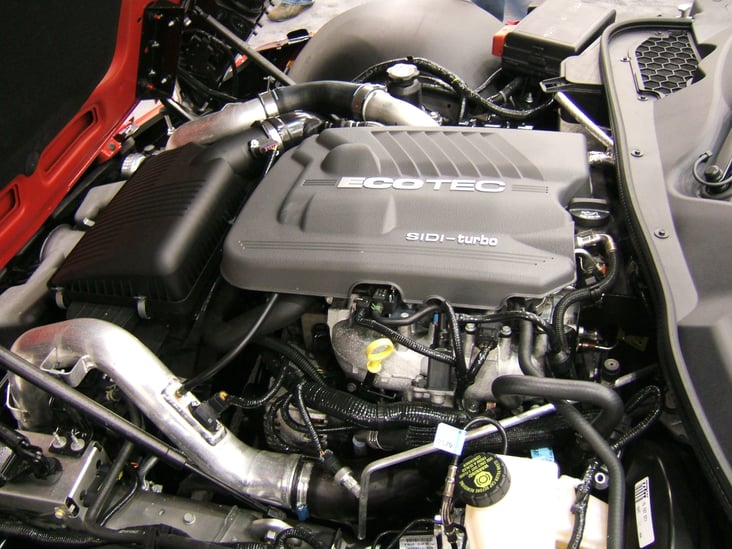
As the dominant technology for passenger vehicles for over 100 years, gasoline-powered internal combustion engine (ICE) vehicles continue to improve their fuel efficiency and performance in dramatic ways. In addition to general improvements to reduce vehicle weight and improve drivetrain efficiency, several engine innovations are at various stages of development and commercial deployment. Three of these innovations are covered here: low-temperature combustion (LTC), lean burn gasoline combustion, and direct fuel injection.

Read More

Search

About

Advanced Energy Perspectives is Advanced Energy United's blog presenting news, analysis, and commentary on creating an advanced energy economy. Join the conversation!

Subscribe Here!

Recent Posts

Posts by Topic

See all