More Top Companies Are Going All In on Advanced Energy. Now, States Need to Figure Out How to Cash In.

Posted by Caitlin Marquis on Dec 8, 2016 4:46:34 PM

Screen Shot 2016-12-08 at 5.02.28 PM.png

An employee drives through Amazon Wind Farm US Central in Paulding County, Ohio.

It’s no secret that advanced energy is increasingly affordable and reliable—and Corporate America has clearly caught on. Not only are companies purchasing renewable energy at a steady clip today, growing numbers are committing to purchase more in the future. A new market brief by AEE found that 71 Fortune 100 companies have now set a renewable energy or sustainability target, up from 60 just two years ago. Among the Fortune 500, that figure has remained steady at 43%, with 215 companies making firm commitments that, in part, depend on advanced energy technologies and services to fulfill. States can capture benefits from this burgeoning market demand for their own economic growth and electric system management. A new report from the Center for a New Energy Economy tells them how.
Read More

Topics: State Policy

THIS IS ADVANCED ENERGY: Fuel Cells

Posted by Caitlin Marquis on Dec 6, 2016 12:05:00 PM

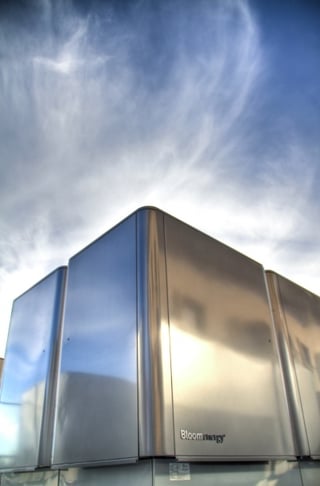
1.4 fuel cells - bloom energy-830185-edited.jpg

This post is one in a series featuring the complete slate of advanced energy technologies outlined in the report This Is Advanced Energy

A fuel cell generates electricity via an electrochemical reaction, converting the chemical energy in fuel directly into electricity without combustion. Much like a battery, a fuel cell consists of three parts: an electrolyte, an anode, and a cathode. Unlike a battery, in a fuel cell hydrogen and oxygen react across the electrolyte to produce a continuous supply of electricity. Most fuel cells utilize natural gas or hydrogen as fuel, but landfill gas, and biogas from anaerobic digestion can also be used; for transportation or portable applications, methanol, ethanol, and even gasoline and diesel can be used. Fuel cell power plants are considered a form of distributed generation because they are small compared to traditional central generating stations, ranging from a few kilowatts for residential applications to tens of MW for larger industrial or grid-sited applications. With net electrical efficiencies of 60% or higher, fuel cells are more efficient than comparably sized onsite diesel or natural gas internal combustion engines.

Read More

NEWS: Energy May be Ripe for the Sharing Economy, Thanks to Bitcoin’s Blockchain Technology

Posted by Lexie Briggs on Dec 2, 2016 12:53:50 PM

energy-finance-gc.png

This week’s news was full of microgrids. From how technology developed for cryptocurrency is ushering in a shared energy economy to microgrids for marijuana grow operations, we’ve got a news roundup that sounds worthy of the darkest corners of the internet. It’s all above board, though, and part of a growing advanced energy industry!

Read More

Topics: News Update

Electricity in the Information Age: Big Data Could Mean Big Benefits for All

Posted by Coley Girouard on Dec 1, 2016 3:52:41 PM

2.8_advanced-metering-973912-edited.jpg

Virtually every industry is transforming to incorporate data strategically, and the information age has finally arrived in the electric utility industry. With the deployment of smart meters now approaching 50% of all electric meters, utilities are collecting massive amounts of granular data. The question is, how can utilities best utilize all of this data and make it available—and useful—to customers and third parties?

Read More

Topics: State Policy, PUCs

THIS IS ADVANCED ENERGY: Marine and Hydrokinetic Power

Posted by Caitlin Marquis on Nov 30, 2016 4:41:22 PM

This post is one in a series featuring the complete slate of advanced energy technologies outlined in the report This Is Advanced Energy

1.9 Marine Power-164523-edited.jpeg

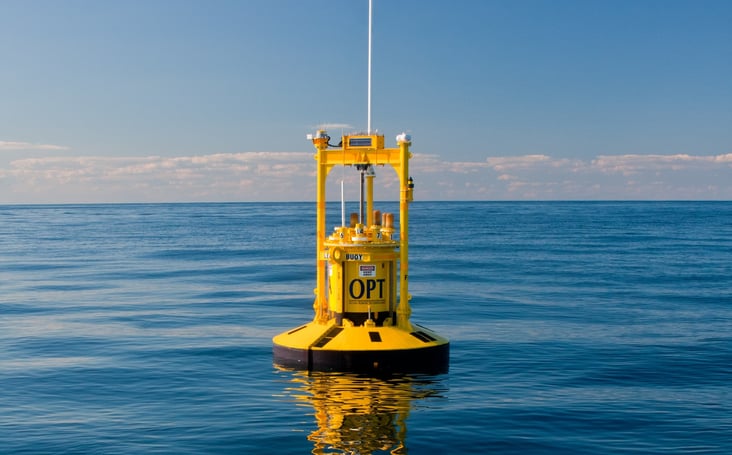
Photo courtesy of Ocean Power Technologies.

Marine and hydrokinetic power technologies generate electricity from the kinetic energy of moving water, including waves, currents, and tides. Wave energy devices are designed to capture energy from the rising and falling of waves or their forward movement. For example, the relative motion between a buoy at the surface and a fixed tether on the sea floor can be used to drive a generator. Tidal energy can be captured in two ways. First, in places with the right undersea topography, daily currents created by ocean tides can be used to drive underwater turbines. Similar technology can exploit the constant ow of water in rivers or in large-scale ocean currents like the Gulf Stream. Second, in places with large tidal ranges, tidal barrages (dams or barriers) can be built across bays or estuaries to capture energy from the receding tide via turbines as water ows out to sea. Within each category, there are many different technologies in development, particularly for wave energy capture. Proximity to shore, ocean depth, and expected sea conditions are all major considerations for these technologies. Another type of marine energy, called Ocean Thermal Energy Conversion (OTEC), exploits temperature and/or salinity gradients between surface waters and deeper water to drive various power cycles.

Read More

Search

About

Advanced Energy Perspectives is Advanced Energy United's blog presenting news, analysis, and commentary on creating an advanced energy economy. Join the conversation!

Subscribe Here!

Recent Posts

Posts by Topic

See all