As the UN summit on climate in New York City came to a close last week, all eyes were on the United States as the world’s leading economy. Yet, those seeking action from the U.S. should actually be looking at the states and what they’re already doing. As international climate talks open up to “sub-national” participants, states may get a chance to take their rightful place among the world’s advanced energy leaders.
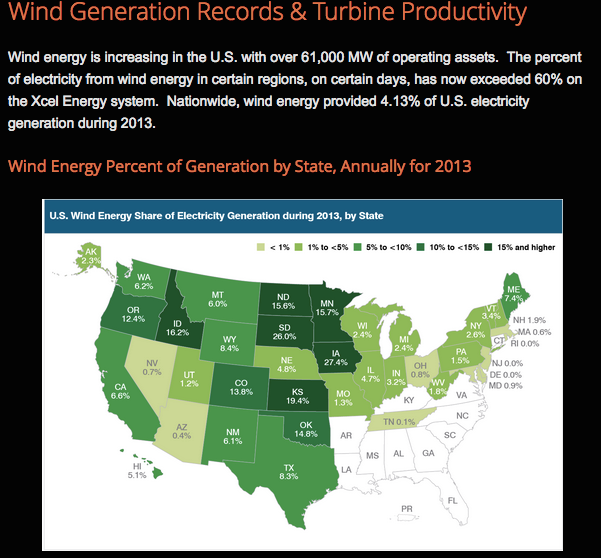
It may be hard to imagine the U.S. Senate ratifying an international agreement on climate change (which requires a two-thirds vote). But every year states around the country pass legislation to move advanced energy forward to serve a growing U.S. and global market. As documented in AEE’s Advanced Energy Technologies for Greenhouse Gas Reduction, advanced energy products and services improve the electric power system in myriad ways – and reduce emissions associated with climate change as well.
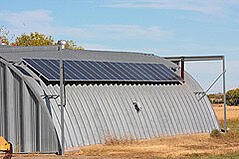 Third party financing of solar energy has become a hot commodity around the country.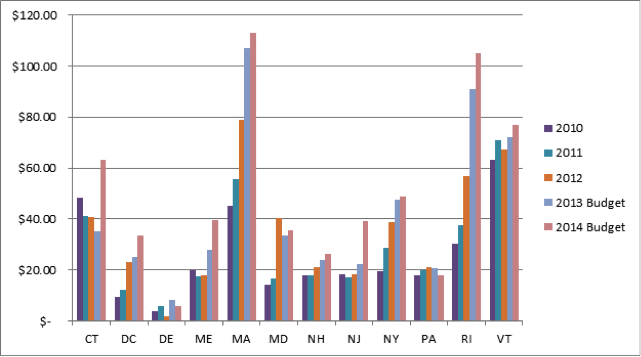
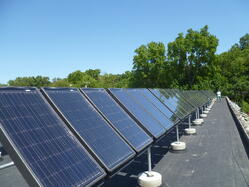 In states around the country, there have been attacks on the net metering policies that support distributed resources, primarily solar power systems. Utilities claim these policies give solar system owners a pass on paying for the infrastructure that connects them to the grid. Advocates claim that net metering gives solar system owners appropriate compensation, on a kW-hour for kW-hour basis, for the excess generation they provide to the grid by offsetting electricity they get from the grid when the sun’s not shining.
 Renewable Portfolio Standards (RPS) have been tremendously successful in driving both renewable energy investment and deployment of renewable resources in the U.S.