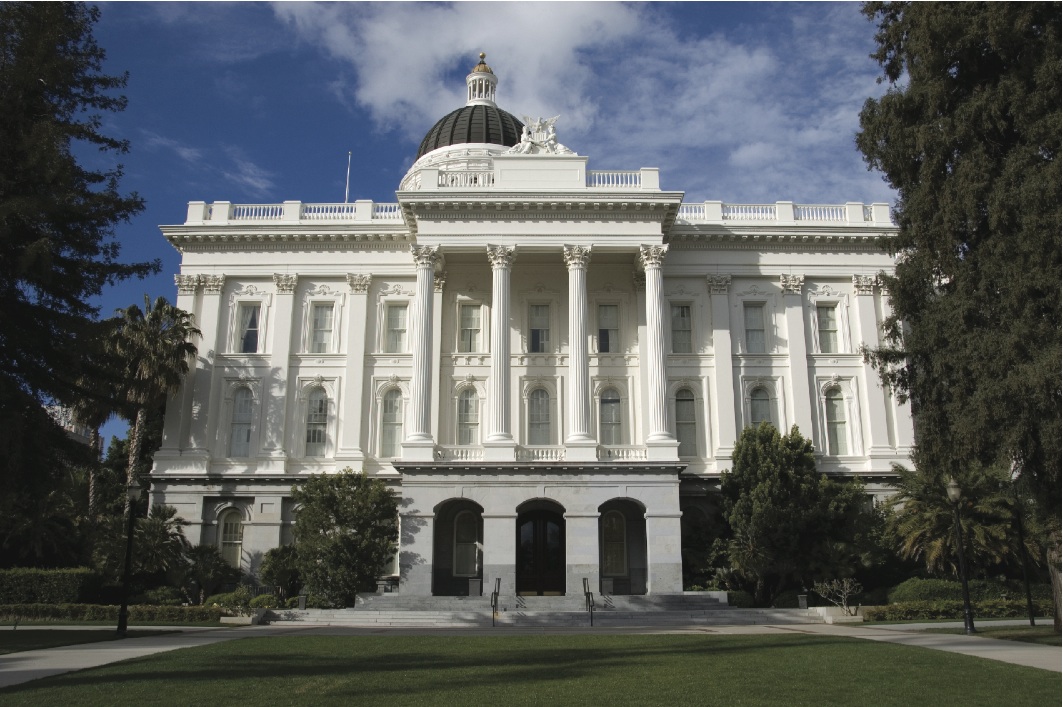
In his State of the State speech in January, Gov. Jerry Brown announced his Administration’s determination to extend California’s climate and energy goals to 2030. The Governor called for strengthening the state’s renewable and energy efficiency goals and for steep reductions in the use of petroleum, capturing the goals in a catchy formula: 50-50-50. Senate President Pro Tem Kevin de León took up the challenge and introduced SB 350. The bill, supported actively by AEE, called for raising the RPS to 50%, increasing efficiency in existing buildings by 50%, and reducing petroleum usage by 50%. It came down to literally the 11th hour of the session, but the groundbreaking bill passed the legislature on September 11 – minus the oil-reduction goal. Still, it was a big step forward for California’s already nation-leading energy and climate policies – and on reducing petroleum use, Gov. Brown vowed to fight another day.
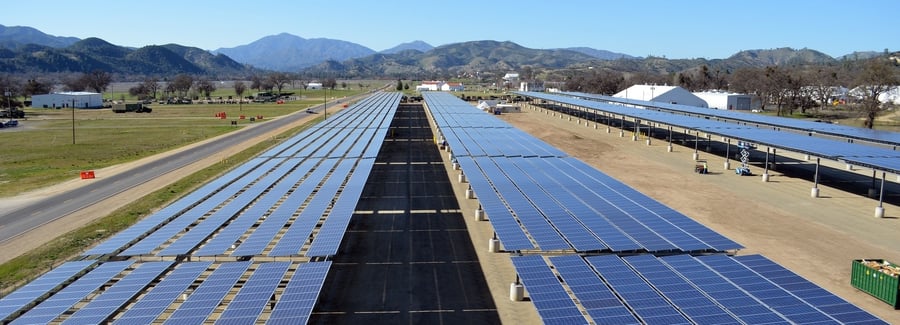
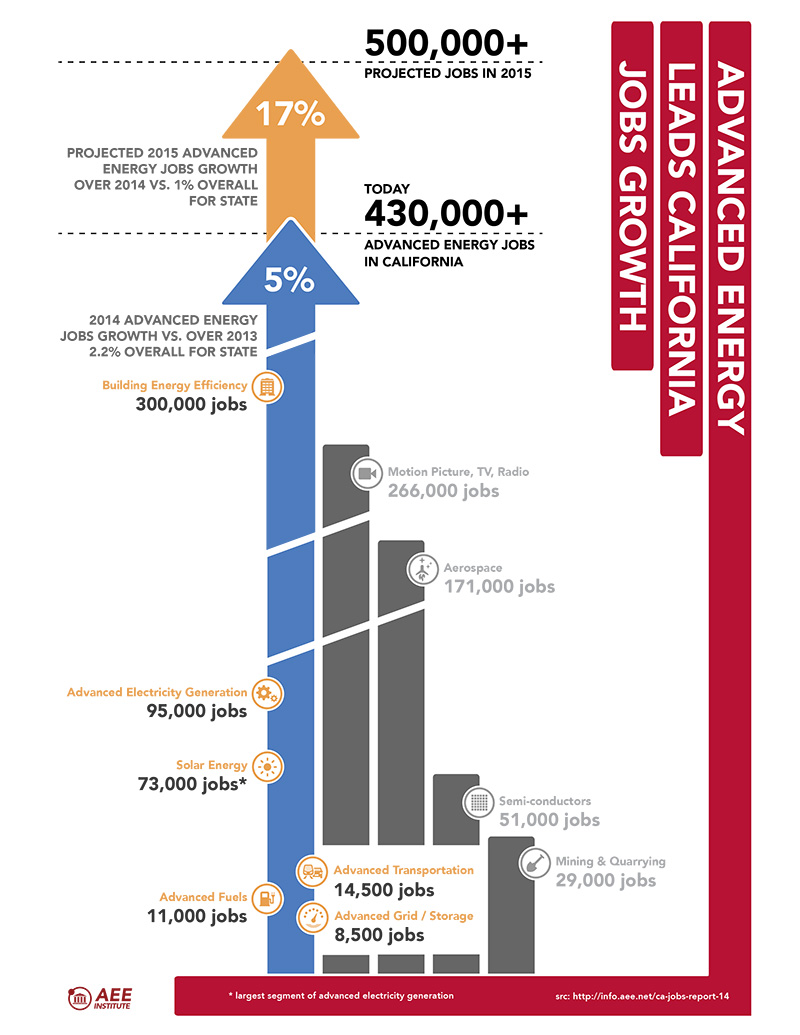
 California’s 2014 legislative session has finally come to a close. August was a busy month in Sacramento as the Legislature worked to get bills through both houses in the final stretch, after which Gov. Brown signed them into law during the month of September. In addition to approving several bills and budget items that will improve the business climate for advanced energy companies, the Legislature also faced an attempt to push off a key milestone in the state’s climate plan.
 “We will not grow our economy in spite of our climate goals, but because of our climate goals.” That was the message from Kish Rajan, director of the Governor’s Office of Business and Economic Development, to the nearly 300 business and government leaders gathered in Sacramento August 6 to discuss the “Pathway to 2050” for energy and climate in California.