 D.C. is buzzing about the newly announced EPA carbon emission rule. Bright and early Monday morning, EPA Administrator Gina McCarthy announced the draft rule, which affects carbon emissions from existing power plants. Over the next 120 days, EPA will be accepting comments on the proposal, which will be finalized in June of next year. The draft rule sets an emission rate standard for each state to meet by 2030, and states must submit implementation plans to EPA. AEE has long seen the much-anticipated EPA rule as an opportunity for the country to modernize the electric power system and, with the inclusion of advanced energy technologies among the options for states to use for compliance, an opportunity for the advanced energy industry.
Topics: Federal Priorities
 With the expected June 2 announcement from the U.S. Environmental Protection Agency (EPA) fast approaching, the media turned its attention this week to the impending draft carbon regulations for existing electric power plants – and to the political battles that will likely ensue. The journalistic term for articles previewing an upcoming event is “curtain raiser,” and for EPA’s draft guideline for greenhouse gas regulation, there were plenty of curtains raised this week.
Topics: News Update
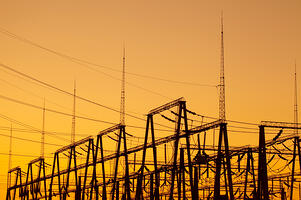 After a flurry of positive activity during the 2013 legislative session, 2014 has been more of a mixed bag to date. There have been some notable advances during this session around the country and a few very disturbing setbacks that threaten the progress of advanced energy in the heartland.
Topics: State Policy
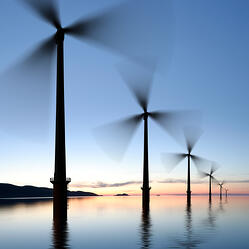 On May 16, Maryland Gov. Martin O’Malley solidified his legacy as a clean energy champion when he vetoed a bill (HB 1168) that would have effectively placed a moratorium on wind power for much of the state. AEE sent a letter to the governor last month, joining a chorus of industry advocates urging this veto action.
Topics: State Policy
 In the first blog post in this series, we talked about how EPA’s forthcoming rule on greenhouse gas emissions (GHGs) from existing power plants – known as 111(d) for the section of the Clean Air Act under which the rules are being developed – presents a unique opportunity to modernize the power grid for the 21st Century. We made the argument that we could create a high-performing grid that was efficient, clean, and affordable, and that advanced energy technologies could help make the use of both energy and capital more efficient. In this post, we look at some other important aspects of a high-performing grid, namely reliability, resiliency, and restoration – the “3Rs” of an electric power system we can count on. As with efficiency in energy and capital, we can achieve improved reliability, resiliency, and restoration by using many of the same technologies that can drive down GHG emissions.