Handing Out Allowances Based on Performance, Not History, Will Create Opportunity, Hold Down Costs in CPP Compliance

Posted by Caitlin Marquis on Feb 25, 2016 10:36:00 AM

MassAllocCPP_2.25.16.png

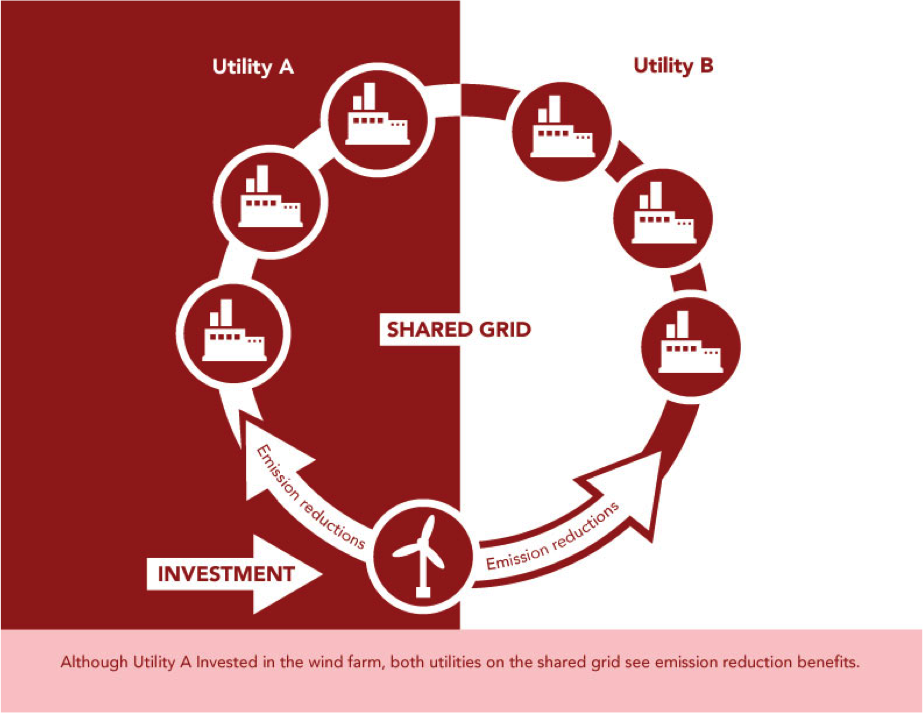
Allocation based on historical generation is likely to result in a "tragedy of the commons," because the cost of measures (such as developing a wind farm) are borne by the investing utility, but the emissions reduction benefits accrue to all that use the grid (including other utilities and power generators).

The Supreme Court has put a temporary hold on enforcement of the Clean Power Plan while lawyers battle over its ultimate fate, but here at AEE we’re confident the rule will prevail — and we’re keeping busy in the meantime, working with the long list of states committed to planning for compliance. We’ve got plenty of advice for states, and today we’re focusing on those that would choose to comply using mass-based plans. Bottom line: How you distribute the emission allowances needed for compliance makes a difference.

Read More

THIS IS ADVANCED ENERGY: Waste-to-Energy

Posted by Caitlin Marquis on Feb 24, 2016 12:01:16 PM

This post is one in a series featuring the complete slate of advanced energy technologies outlined in the report This Is Advanced Energy

1.17_Waste_to_Energy-571051-edited-663449-edited.jpg

Waste-to-energy (WTE) is the process of generating electricity and/ or heat by combusting municipal solid waste (MSW). The most common form of WTE is mass-burn combustion, in which MSW is burned “as is” to produce steam that spins a turbine attached to an electric generator.

Read More

NEWS: Not Your Grandpa’s Utility Business Model (But Maybe Mine)

Posted by Lexie Briggs on Feb 19, 2016 10:43:24 AM

not-your-grandpas-wind-049593-edited.jpg

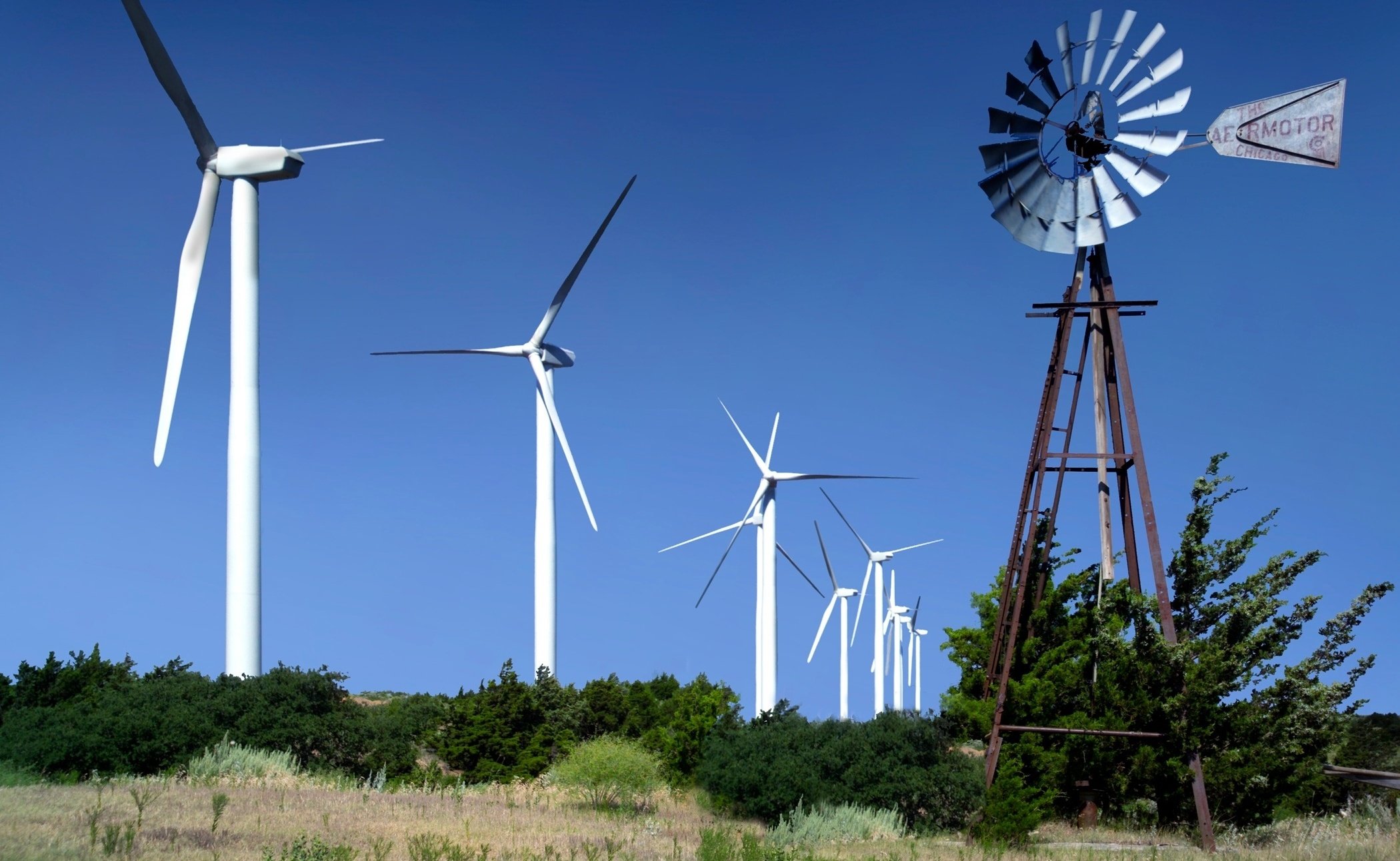
Here at Advanced Energy Perspectives, we have known for some time that the utility business model is undergoing a necessary evolution. Utilities have been integrating variable energy resources and starting to incorporate energy storage, advanced metering, demand response, and other advanced energy technologies at an increasing rate, even without national policy forcing their hands. Back in 2014, we said the days of “your grandpa’s utility business model” were over. This week, thanks to a new survey of utility employees, we heard the same thing – right from the horses’ mouths.

Read More

Topics: News Update

To Plan or Not To Plan? State Reactions to Stay of Clean Power Plan Vary

Posted by Dylan Reed and Maria Robinson on Feb 18, 2016 10:35:00 AM

state-reactions-to-cpp-stay-map.png

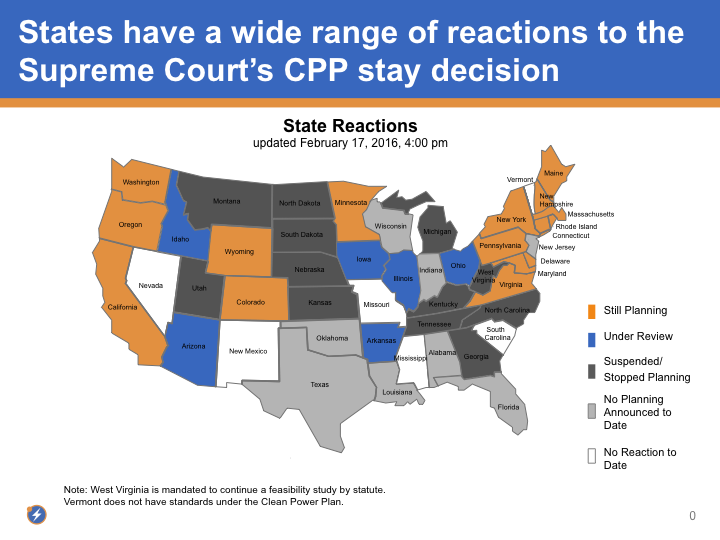
Last week, in an unprecedented move, the U.S. Supreme Court ruled 5-4 to stay EPA’s Clean Power Plan. While this is certainly a setback for the CPP at the federal level, it is clear that work will continue at the federal and state levels in a variety of forms. Since the stay, many states have weighed in on the decision: 16 states will continue to plan for compliance with the rule, 12 states have suspended planning efforts, eight states have yet to announce any planning process, and six states are still reviewing their options post-stay. AEE will continue to monitor states’ actions in the aftermath of the ruling. Here is what we know so far.

Read More

THIS IS ADVANCED ENERGY: Water Infrastructure Energy Efficiency

Posted by Caitlin Marquis on Feb 16, 2016 1:52:25 PM

This post is one in a series featuring the complete slate of advanced energy technologies outlined in the report This Is Advanced Energy

4.2_Water_Infrastructure_Energy_Efficiency.jpg

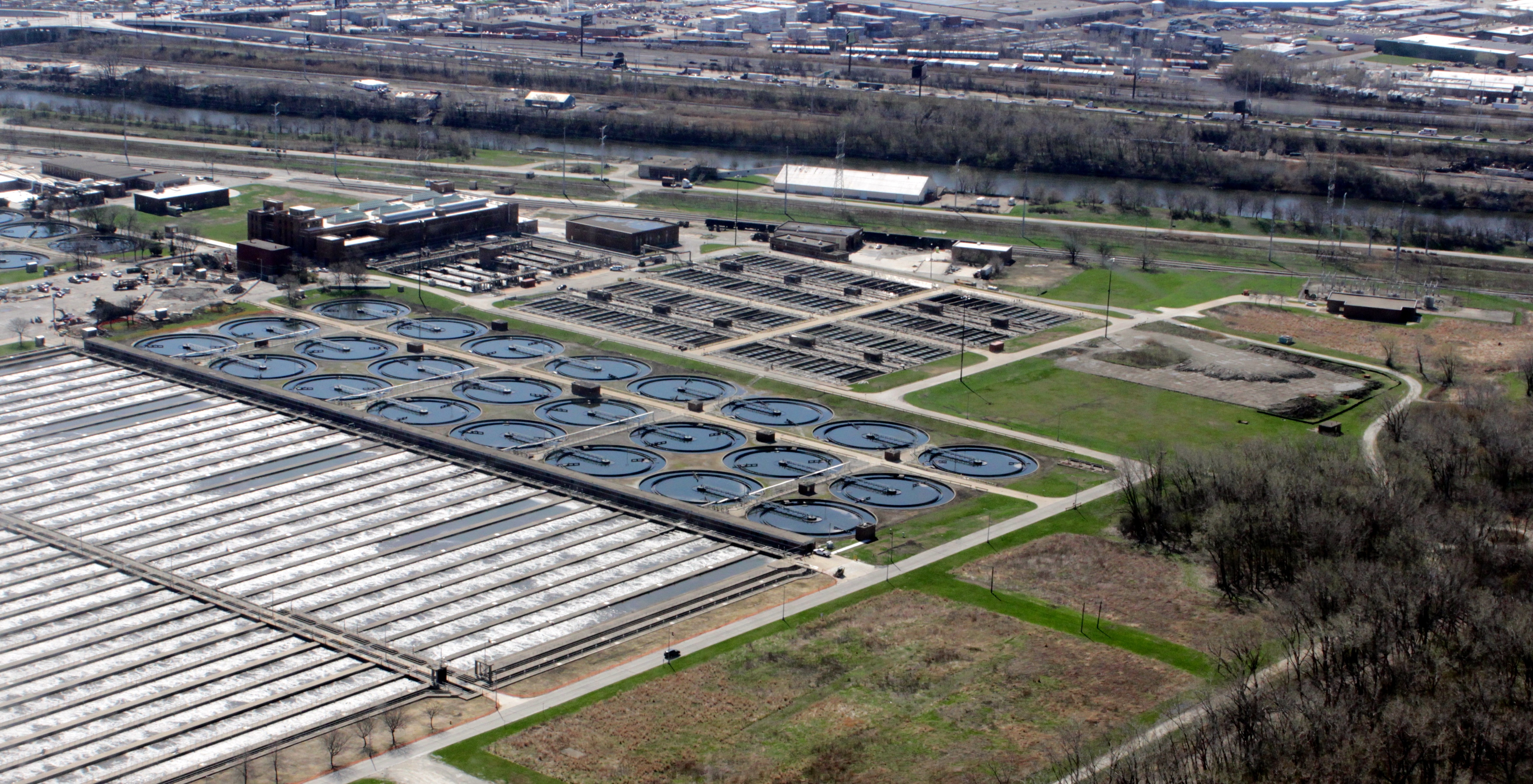
Image courtesy of U.S. Army Corps of Engineers Chicago District. 

Drinking water treatment systems and wastewater treatment plants account for approximately 3% of electricity use in the United States, or 100 billion kWh annually — enough to power over 9 million homes. These facilities have several options to reduce their electricity use, with potential savings estimated at 15% to 30% nationally. In water treatment systems, approximately 80% of electricity is used for pumping, so savings come mostly from pumps, motors, and variable-frequency drives. By allowing motors to adjust to fluctuating pumping needs, variable-frequency drives can reduce electricity use by up to 50% while also extending motor life.

Read More

Search

About

Advanced Energy Perspectives is Advanced Energy United's blog presenting news, analysis, and commentary on creating an advanced energy economy. Join the conversation!

Subscribe Here!

Recent Posts

Posts by Topic

See all