This post is one in a series featuring the complete slate of advanced energy technologies outlined in the report This Is Advanced Energy.
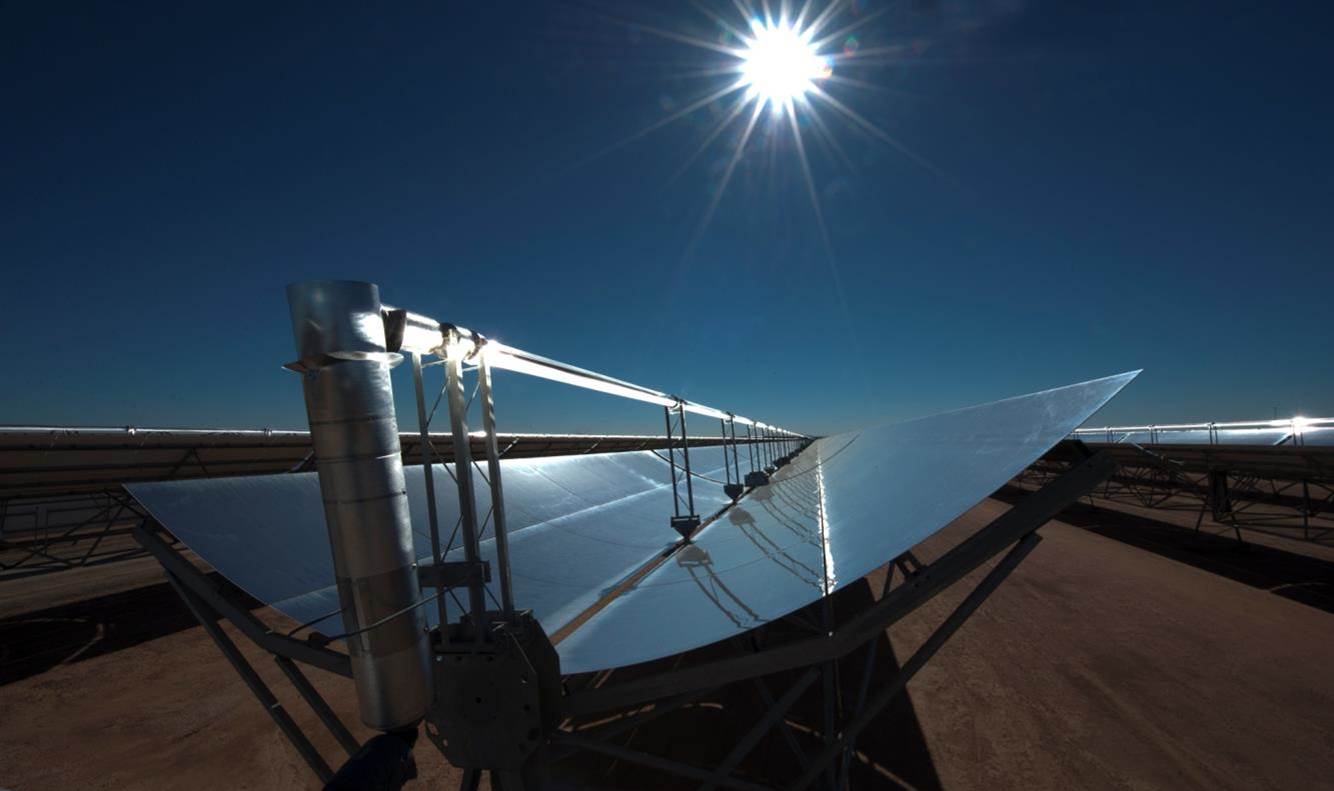
Image: Solana Solar Platform, proprietary technology of Abengoa Solar, S.A.
Solar Thermal Electric (STE), often called concentrating solar power (CSP), uses mirrors or lenses to concentrate sunlight, generating temperatures high enough to produce steam and drive steam turbines. There are three configurations of STE systems in commercial use: power towers focus sunlight at a point, while parabolic troughs and Fresnel reflectors focus sunlight onto linear receiver tubes. Parabolic troughs and power towers are the most commonly used STE technologies today, and along with linear Fresnel configurations are deployed in large-scale projects that generally range in capacity from tens to hundreds of MW. STE plants can incorporate thermal energy storage, typically using molten salt, allowing them to generate electricity when it is needed even if the sun is not shining. A number of commercial and demonstration projects have also been built to integrate STE technology into natural gas and coal power plants, reducing the fuel inputs needed for the same energy output.
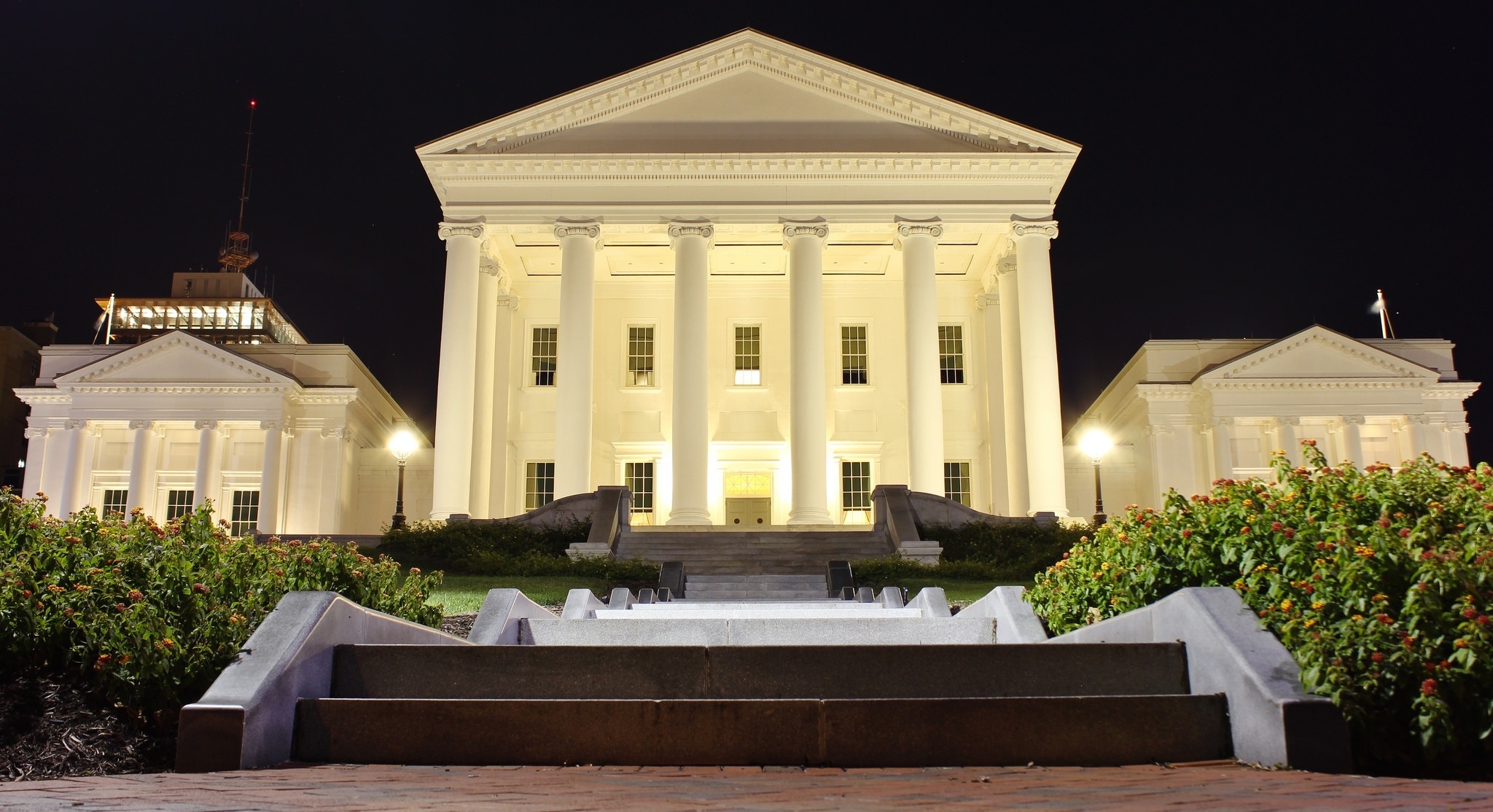 The Virginia General Assembly concludes its 2016 session this week with few bills to support the advanced energy industry set to become law. Several bills emerged to consider expansion of energy markets, particularly for renewable energy and energy efficiency technologies, but most have been pushed to a summer panel for consideration. Also this week, the Department of Environmental Quality will hold its final stakeholder meeting on EPA’s Clean Power Plan – an effort that could be more effective in creating market opportunity for advanced energy companies – on Friday, March 11. As the legislature and stakeholder meetings wind down, here’s what you need to know about the Commonwealth.