NEWS: Why Electricity Prices Keep Falling (Hint: Advanced Energy); It’s Elon Musk’s World, We Just Live In It

Posted by Lexie Briggs on Jul 22, 2016 10:36:51 AM

wind-turbine-sky-pixabay.jpg

Advanced energy is sweeping the nation. Between cheap natural gas and cheap renewable energy, electricity costs are falling. Where is the joy and jubilation? Plus, PACE is back and better than ever, re-opening opportunities for low and middle income homeowners to make their homes energy efficient and solar powered. It’s all good – and all thanks to advanced energy. Tooting our own horn? You bet! Read on. Here is this week’s big news.

Read More

Topics: News Update

Setting the PACE on Home Energy Improvements for Low and Moderate Income Americans

Posted by Bill Ritter, Jr. on Jul 21, 2016 11:57:16 AM

This is a guest post by former Colorado governor Bill Ritter, director of the Center for the New Energy Economy and an AEE Institute board member.

12830516783_ffb212646e_k-558368-edited.jpg

The White House announcement yesterday on residential Property Assessed Clean Energy (PACE) is a welcome solution to a problem that has plagued states since 2010. It will go far toward helping all citizens, but especially those on a low and moderate income, to make efficiency improvements to their homes and lower their energy bills.

Read More

Topics: Guest Post, Federal Priorities

THIS IS ADVANCED ENERGY: Efficient Heating, Ventilation, and Air Conditioning

Posted by Caitlin Marquis on Jul 20, 2016 11:30:00 AM

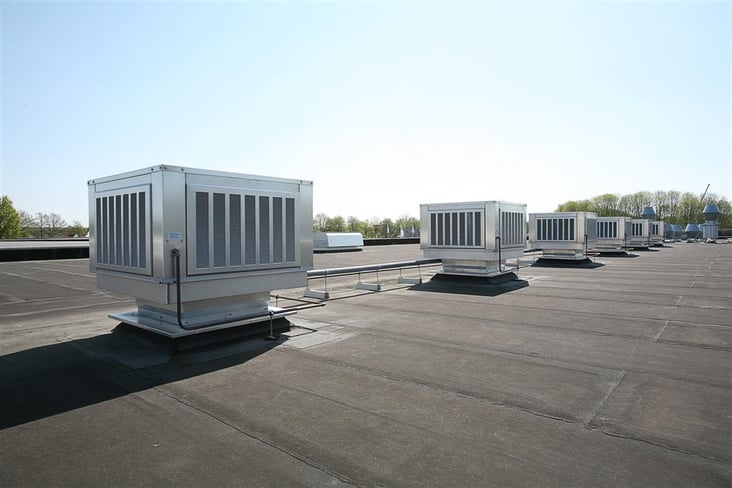
This post is one in a series featuring the complete slate of advanced energy technologies outlined in the report This Is Advanced Energy. 3.5_Efficient_HVAC.jpg

Image courtesy of Colt.

Heating, ventilation, and air conditioning (HVAC) systems consist of air conditioners, heat pumps, boilers, furnaces, and chillers, as well as the associated controls, air handlers, ductwork, and piping. Heating and cooling represent the largest source of energy consumption in the residential and commercial sectors, accounting for roughly 50% of energy consumed by a typical U.S. home and 40% in commercial buildings. Chillers alone can account for 35% to 50% of a commercial building’s energy use. Improvements in efficiency derive from various technological innovations, such as variable speed drives (which reduce energy use by electric motors) and increased heat exchanger surface area (which improves overall energy transfer to the conditioned space). Advanced HVAC systems also have sensors and controls that communicate with sophisticated energy management systems to further reduce energy use, improve comfort, and cut maintenance costs. Residential customers can also reduce home energy use through equipment upgrades and by using programmable thermostats such as a Nest Learning Thermostat, which can reduce heating and cooling costs by more than 20%.

Read More

Industrial Energy Management Systems Deliver – and Expand – Worldwide

Posted by Frank Swigonski on Jul 19, 2016 5:04:58 PM

This post is one in a series of feature stories on trends shaping advanced energy markets in the U.S. and around the world, drawn from Advanced Energy Now 2016 Market Report, which was prepared for AEE by Navigant Research.

us-industrial-energy-management-systems.jpg

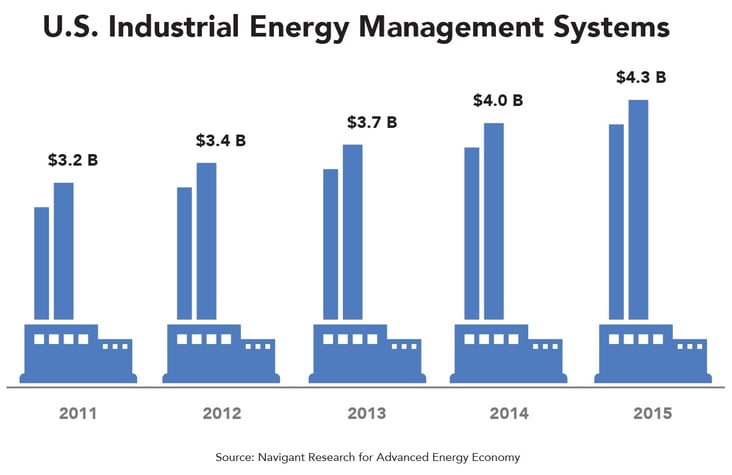
The industrial sector accounts for roughly 50% of U.S. electricity consumption, and more than 30% in Europe. This presents a major opportunity for energy and nancial savings are a major opportunity for the companies operating in this sector. Industrial Energy Management Systems (IEMS) analyze and manage energy consumption and operations data within an industrial facility, delivering actionable information to managers of industrial facilities.

Read More

Topics: Advanced Energy Now Market Report

EPA’s New and (Mostly) Improved Clean Energy Incentive Program

Posted by Caitlin Marquis on Jul 18, 2016 6:24:17 PM

epa-matching-allowances.png

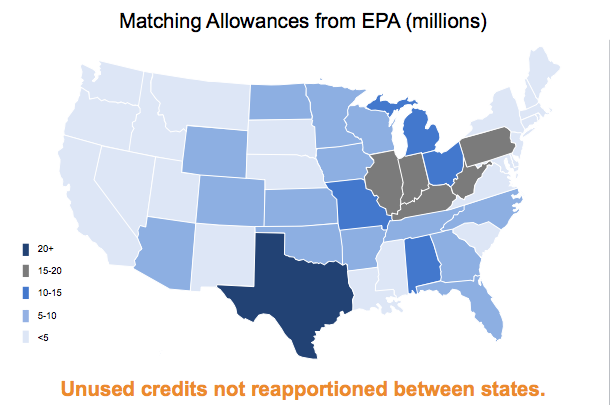
On June 30, the proposed Clean Energy Incentive Program (CEIP)—an early action program under EPA’s Clean Power Plan—was published in the Federal Register, initiating a 60-day comment period. It’s enough to give us a case of déjà vu, as EPA has already taken comment on CEIP twice before. The program was first introduced last August alongside the final CPP and proposed Federal Plan rulemaking. EPA asked for comments on the entire Federal Plan rule, including CEIP, by January 21, 2016. Then, on October 21, 2015, the Agency issued a separate “Clean Energy Incentive Program Next Steps” document that asked stakeholders for input on specific elements of the CEIP by December 15, 2015, and opened a non-regulatory docket to receive responses to these questions. On the basis of that input, EPA developed the latest proposed CEIP rulemaking. That’s a lot of bureaucratic process. What’s important, however, is that, over the course of all this, the CEIP has evolved. For now, we’ll hold our opinions on what does and doesn’t work in the revised proposal, but you can read on for an overview of what the proposal actually says.


Read More

Search

About

Advanced Energy Perspectives is Advanced Energy United's blog presenting news, analysis, and commentary on creating an advanced energy economy. Join the conversation!

Subscribe Here!

Recent Posts

Posts by Topic

See all