Forget Net Metering Battles. New Nevada Order on ‘Attributes’ Gives Advanced Energy Its Due.

Posted by Maria Robinson on Feb 2, 2017 10:48:12 AM

las-vegas-1548382_1280-840974-edited.jpg

Over the course of 2016, most of the advanced energy policy conversations in Nevada have been around net metering, with much score-keeping of progress and setback. Between rollback in June and partial reinstatement in December, net metering has taken center stage, with more to come this year. But another official decision has set the stage for Nevada to once again be an expanding market for advanced energy. It was a little-noticed ruling by the state’s public utility commission (PUC) to incorporate costs and benefits across all attributes in weighing various options for meeting the needs of electricity customers. AEE’s nonprofit educational affiliate, the AEE Institute, was right in the middle of it.
Read More

Topics: State Policy, PUCs

THIS IS ADVANCED ENERGY: Hydrogen Vehicles

Posted by Caitlin Marquis on Feb 1, 2017 5:41:52 PM

This post is one in a series featuring the complete slate of advanced energy technologies outlined in the report This Is Advanced Energy

5.4_Hydrogen_Vehicles.jpg

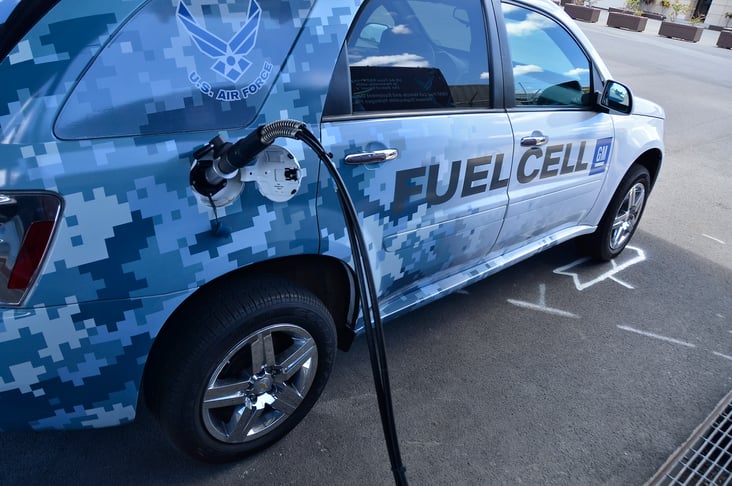
Hydrogen vehicles are either fuel cell vehicles (FCVs) or internal combustion engine (ICE) vehicles designed to burn hydrogen instead of gasoline. FCVs are actually electric vehicles in which the electricity is produced on board by fuel cells — electrochemical devices that convert hydrogen and oxygen (in the air) directly into electricity without combustion. Pure hydrogen gas is stored onboard the vehicle in pressurized tanks or other means. FCVs can be refilled within 10 minutes at a hydrogen fueling station. FCVs have a range of approximately 300 miles, similar to conventional ICE vehicles, and produce only water as a byproduct. There has also been some development of hydrogen-fueled ICE vehicles, which offer high fuel efficiency and very low tailpipe emissions.

Read More

NEWS: LIPA Contracts for Offshore Wind, Solar Stabilizes the Grid, Tesla Builds a Bigger Battery

Posted by Lexie Briggs on Jan 27, 2017 11:57:03 AM

block-island-grybowski-twitter-offshore-wind-us-668436-edited.jpg

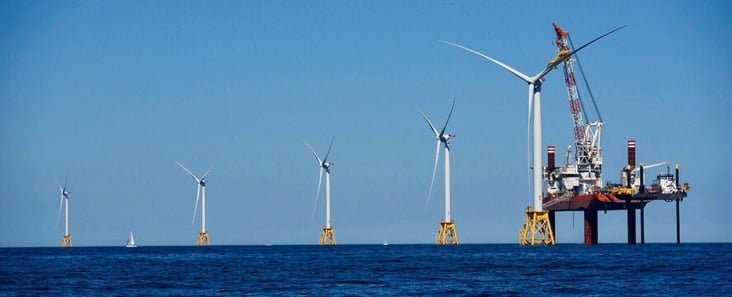
Image of Block Island Wind Farm, Rhode Island. 

This week, advanced energy brought winds of prosperity to all corners. New York’s Long Island Power Authority (LIPA) this week approved a plan to build the largest offshore wind farm in the U.S. to date, and with more to come. And AEE members show how solar power and storage can take on functions normally assigned to peaker plants. Just another week in advanced energy news.

Read More

Topics: News Update

THIS IS ADVANCED ENERGY: Hydroelectric Power

Posted by Caitlin Marquis on Jan 26, 2017 3:33:13 PM

This post is one in a series featuring the complete slate of advanced energy technologies outlined in the report This Is Advanced Energy

Hydroelectric_Power_Plants-924891-edited.jpg

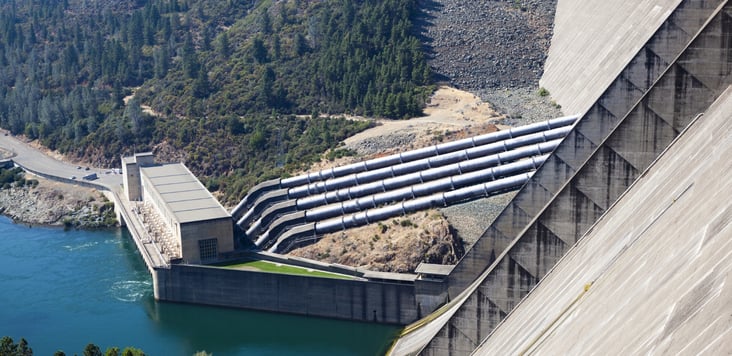
Hydroelectric power plants use turbines and generators to convert the kinetic energy of moving water into electricity. There are three major types of hydroelectric power plants: impoundment, run-of-river (diversion), and pumped storage. An impoundment facility uses a dam to store river water in a reservoir, which it then releases through turbines to generate electricity. The height differential (“hydraulic head”) between the reservoir surface and the turbine outlet is what provides the energy for power generation. A run-of-river facility takes advantage of natural elevation changes along a river, diverting a portion of the river flow via pipes or underground conduits to drive turbines and generate power without a dam. Because of this design, the output from run-of-river plants can uctuate throughout the year, whereas impoundment plants generally have steadier output. Pumped hydro storage is a form of bulk energy storage that generates electricity when demand is high. In addition to these three major variants, there is a niche application called in-conduit hydropower, which uses hydro turbines to harness energy from water supply infrastructure such as tunnels, irrigation canals, and pipes.

Read More

NEWS: States Strengthen RPS; Are Solar and Wind Becoming ‘Base-Cost’ Power? Should California Have ‘Shot for the Stars’?

Posted by Lexie Briggs on Jan 20, 2017 1:13:02 PM

largest-concrete-wind-turbine-chp-759682-edited.jpg

This week, much of the news media is tied up with what’s happening in Washington, D.C., but advanced energy never stops working. From Utility Dive’s story of advanced energy job growth to more coverage of the love affair between big business and advanced energy, to a California lawmaker musing on whether the state should run on 100% renewable energy, it’s been a week to remember.

Read More

Topics: News Update

Search

About

Advanced Energy Perspectives is Advanced Energy United's blog presenting news, analysis, and commentary on creating an advanced energy economy. Join the conversation!

Subscribe Here!

Recent Posts

Posts by Topic

See all