NEWS: On Solar Eclipse and the Grid, Nothing to Fear but Fear Itself

Posted by Lexie Briggs on Aug 18, 2017 12:46:50 PM

NASA-solar-eclipse-925705-edited.jpg

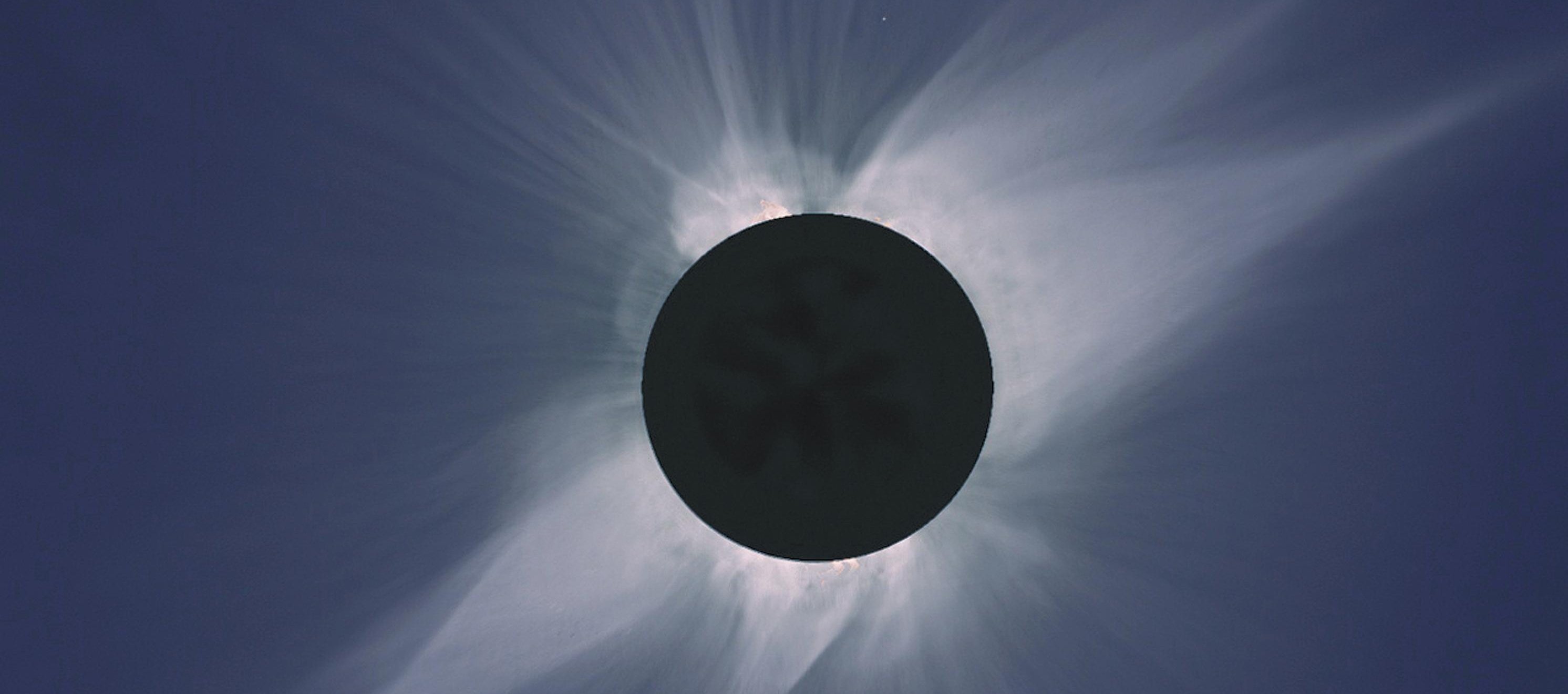
On Monday, North America will get to see something spectacular: a full solar eclipse! A huge portion of the U.S. will be within the path of totality, able to experience the sun being reduced to a glowing ring with sunset falling on every horizon. Eclipses have long been seen as ill portents and bad omens, tied to deaths of kings and emperors. In ancient times, the sun’s temporary disappearance in broad daylight was a calamity brought upon by the gods themselves. But as we now rely on the sun for power generation, will the moon get in the way of our megawatts? Could Monday’s solar eclipse today be just as calamitous as the ancients foretold, bringing with it rolling blackouts, power outages, and huge price surges for power across the country? 

Nah.

Read More

Topics: News Update

Renewable Energy Tariffs, Part One: Meeting the Needs of Participating Customers

Posted by Caitlin Marquis on Aug 17, 2017 9:14:00 AM

This post is Part One of a two-part series on design of utility renewable energy tariffs. Part One addresses the needs of participating customers, and Part Two (next week) considers the needs of nonparticipating customers.
solar-sams-club-walmart-570884-edited.jpg

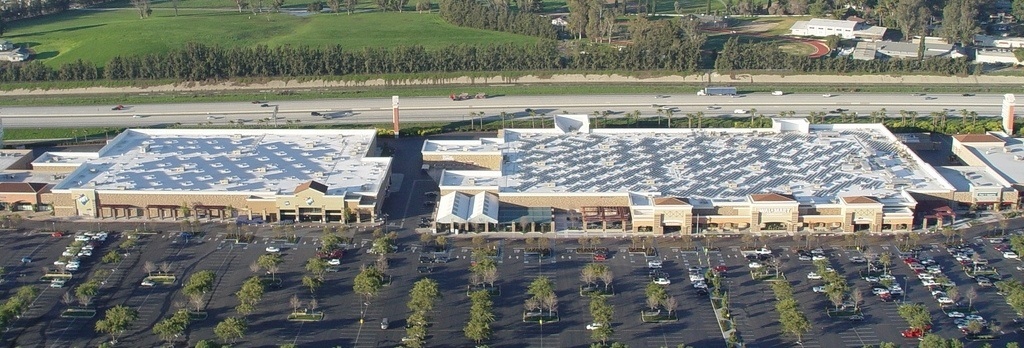
Followers of the advanced energy sector are, by now, very familiar with the trend of leading companies, cities, universities, and other organizations choosing to source their electricity from renewable energy. To date, the majority of renewable energy projects contracted to meet this demand have been in restructured states, where companies face few regulatory barriers to signing a power purchase agreement (PPA). That’s not to say, however, that states with traditionally regulated utilities are doomed to miss out on the headline-grabbing, job-creating, tax-income-generating benefits of corporate renewable energy deals. On the contrary, utilities in vertically integrated states are developing programs to allow voluntary renewable energy procurement, often termed renewable energy tariffs, or “green” tariffs. But the experience to date of these renewable energy tariffs has been mixed, with some failing to generate much interest from corporate purchase because of their cost or terms, and others questioned for their impact on utility customers who are not part of the program.

A recent policy brief from AEE and new report from AEE Institute consider best practices for design of renewable energy tariffs that meet the needs of both corporate participants and for other utility customers. This post explains what we mean by “renewable energy tariffs,” and walks through the needs and preferences of corporate participants. Next week’s post will dive into detail on designing programs with all customers in mind, including nonparticipants.

Read More

Topics: State Policy

Keeping up the PACE in California – and Elsewhere

Posted by Bob Keough on Aug 16, 2017 3:38:03 PM

Westlake-homes-PACE-california-Thomas-Hawk.jpg

Renovating old buildings to be more energy efficient or incorporate renewable energy is a win-win—more efficient homes and businesses, some of them generating electric power themselves, cause less strain on utilities and power generators while also saving money for consumers on their monthly bills—but the renovations often come with an upfront price tag that could take years or decades to pay back. Property Assessed Clean Energy (PACE) programs allow property owners to borrow money for advanced energy upgrades, then repay the money over time on their property tax bill. What’s not to like? Well, that gets complicated. Until recently, homeowners in much of the country have been unable to benefit from PACE, and now that they can, new challenges have arisen from critics who say consumers do not get adequate protection from fraud. California, where residential PACE is most firmly established, is in the crosshairs – but also on the verge of improvements that would make PACE stronger, and more protective of consumer interests, than ever.  

Read More

Topics: State Policy

NEWS: In a Bout Between Advanced Energy Technologies, Who Wins? Everyone

Posted by Lexie Briggs on Aug 11, 2017 11:39:25 AM

storage-vs-digital-nat-gas-fight-978594-edited.jpg

Think of it as a championship prizefight between contenders for meeting peak power needs: In the red corner, at a size somewhere between a shipping container and an office building, but with a brain that’s hard to beat, it’s the GE Digital Gas Peaker Plant! In the blue corner, it’s battery storage, which bulks up by saving excess generation until it’s needed, then delivering power to the grid at breakneck speeds! Either way, advanced energy is the winner.

Read More

Topics: News Update

Ohio Wind Turbine Setback Fix Suffers a Setback

Posted by Ray Fakhoury and Ted Ford on Aug 8, 2017 3:25:54 PM

ohio-wind-setback-bw.jpg

Three years ago, the Ohio General Assembly enacted the most restrictive wind turbine siting requirements in the nation, bringing most new wind development in the state to a standstill. Although industry leaders warned of the potential consequences, the new setback language was inserted into a budget bill – with no testimony or debate – and signed by the Governor. With nearly $4.2 billion of wind investments at stake, it’s time to roll back Ohio’s wind setback. Unfortunately, Ohio lawmakers let one opportunity to restore balance to wind siting slip away. Now, the best shot they have is a legislative vehicle full of danger for the advanced energy industry.

Read More

Topics: State Policy

Search

About

Advanced Energy Perspectives is Advanced Energy United's blog presenting news, analysis, and commentary on creating an advanced energy economy. Join the conversation!

Subscribe Here!

Recent Posts

Posts by Topic

See all